A Smarter Way to Spend a Weekend in Milan Without Overplanning It
Last Updated on 27 November 2026
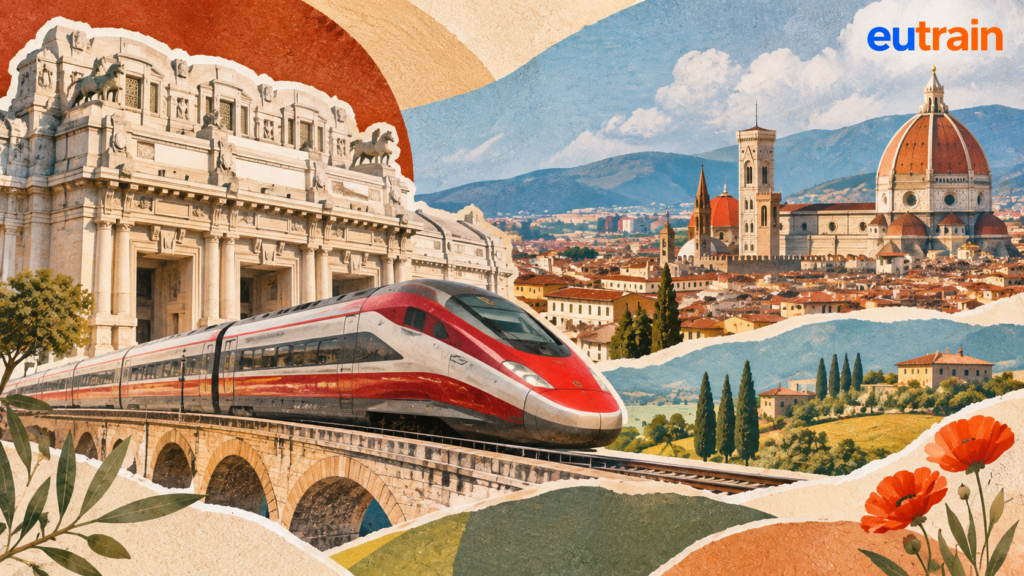
Milan doesn’t always reveal its best side to visitors who arrive with an overloaded itinerary. Between the cathedral, designer boutiques, galleries and fashionable neighbourhoods, it’s easy to spend an entire weekend moving from one attraction to another without properly experiencing the city.
The better approach is to plan a few essentials and leave room for everything else. Milan is a city of contrasts, where historic buildings sit alongside contemporary design, and a quiet afternoon in a neighbourhood café can be just as memorable as visiting a famous landmark.
For travellers with two or three days, good transport planning can make the difference between a relaxed city break and a weekend spent checking the time.
Get Your Arrival Right
The first thing to organise is your arrival station. Milan has several railway terminals, including Milano Centrale, Milano Porta Garibaldi and Milano Cadorna. They serve different routes, and choosing the most convenient one depends on where you’re travelling from and where you’re staying.
Many visitors arrive at Milano Centrale, the city’s monumental main railway station. Before travelling, a Milan train station guide can help you understand the station layout, departure boards and connections to local transport.
Milano Centrale is served by the M2 and M3 metro lines, giving travellers access to different parts of the city. If you’re staying near the Duomo, the M3 line is particularly useful because it connects Centrale with Duomo station.
It’s worth saving the full address of your accommodation before arrival. Searching for a hotel while standing in a busy railway concourse is rarely the best introduction to a new city.
If you have luggage, consider whether you can reach your accommodation comfortably by public transport. A hotel that looks close on a map may involve an inconvenient walk, particularly with heavy bags.

Choose Neighbourhoods Instead of Collecting Landmarks
A weekend in Milan works best when you group activities by area.
Start with the historic centre, where the Duomo and Galleria Vittorio Emanuele II are within easy walking distance of each other. The cathedral’s elaborate exterior deserves time, and the Galleria offers a striking example of nineteenth-century glass-and-iron architecture.
Rather than immediately rushing to another attraction, explore the surrounding streets. Milan’s centre is filled with architectural details, small shops and public spaces that reward a slower pace.
Brera offers a different atmosphere. Known for its galleries, boutiques and narrow streets, it’s a pleasant area for wandering without a rigid schedule. The Pinacoteca di Brera is worth considering for visitors interested in Italian painting, but the neighbourhood also works well as a destination in its own right.
For an evening out, Navigli provides another change of scenery. The canals are surrounded by restaurants and bars, making the area popular for aperitivo. It can become busy, especially on weekends, so visitors looking for a quieter experience may prefer arriving earlier. The important thing is not to see every neighbourhood in one day. Give each area enough time to develop its own character.
Leave Space for Milan’s Design Culture
Milan is internationally associated with fashion, but its creative identity extends far beyond clothing. Triennale Milano is an excellent starting point for travellers interested in architecture, furniture and contemporary design. Located near Parco Sempione, the institution explores how design shapes everyday objects and spaces.
Visitors interested in contemporary art may also consider Fondazione Prada, whose exhibition complex combines existing industrial structures with modern architectural interventions. These places add variety to a trip that might otherwise focus entirely on historic landmarks. They also encourage a different kind of sightseeing. Instead of visiting buildings simply because they’re famous, you begin noticing how materials, interiors and public spaces influence the experience of a city.
Make Your Travel Days Easier
A successful weekend itinerary should account for the journey into Milan and the journey home.
If you’re continuing to Florence, Venice or Rome, compare departure stations and train times before choosing your accommodation. Milano Centrale is an important hub for long-distance travel, but other Milan stations also handle intercity services.
The euTrain travel guides provide practical information about European railway routes, stations and common travel questions. Reviewing station details before departure can help you avoid unnecessary confusion when changing cities.
Keep your train number, departure time and station name together in one easily accessible note. On the day of travel, check the official departure boards because platform information may change. It’s also sensible to leave enough time between checkout and departure. A final breakfast or short walk is much more enjoyable when you’re not worried about reaching the station.
If you’re travelling with someone else, agree on the departure arrangements in advance. Small details, such as which entrance to use or where to meet, can become surprisingly frustrating when both travellers are carrying luggage.
Build a Weekend That Actually Feels Like a Break
For a two-night stay, a simple structure works well. Spend the first afternoon exploring the historic centre and enjoying dinner nearby. Use the following day for Brera, a museum or design-focused attraction, and an evening around Navigli.
On the final morning, choose one manageable activity rather than trying to fit in another full day of sightseeing before departure.
If you have a third night, consider visiting another neighbourhood or spending more time in one of the city’s museums. You could also explore Milan’s parks and residential streets, which offer a quieter contrast to the busiest tourist areas.
Advance reservations are advisable for certain attractions. Leonardo da Vinci’s The Last Supper, for example, requires careful planning because visits are organised through a controlled reservation system. But not everything needs to be booked. Milan’s appeal lies partly in its everyday details: the pace of a neighbourhood market, an unexpectedly beautiful courtyard or a café that invites you to stay a little longer.
The most useful travel plan is one that gives you direction without controlling every hour. With a convenient arrival station, a few well-chosen neighbourhoods and enough flexibility to enjoy spontaneous discoveries, a short visit to Milan can feel much richer than an ambitious schedule filled with attractions.
Sometimes the smartest way to travel is to plan less, but plan the important things better.