Understanding Saxenda: Benefits, Risks, and Safe Use Practices
Last Updated on 8 April 2026
Introduction
Saxenda is a prescription medicine used for chronic weight management in Canada, and it is part of a group of obesity medications that must be used alongside health behaviour changes. Health Canada’s product information identifies Saxenda as a marketed product, and the Canadian obesity pharmacotherapy guideline notes that liraglutide (Saxenda) is one of six medications approved in Canada for long-term obesity management. These medications are intended to help people achieve and maintain clinically meaningful improvements in weight and related health outcomes.
For readers in Canada, the important point is that Saxenda is not a stand-alone fix. It is designed to support a reduced-calorie diet and increased physical activity, and it is usually considered when weight management has not been successful with lifestyle measures alone. That approach reflects the way Canadian guidance frames obesity care: as long-term treatment that may combine medication, behaviour change, and follow-up rather than a quick solution.
This article explains how Saxenda works, who it is for, what benefits it may offer, what side effects and safety issues matter most, and what Canadian readers should keep in mind when talking with a healthcare professional.

What Saxenda is
Saxenda contains liraglutide, a GLP-1 receptor agonist used for weight management. In Canada, Health Canada product information identifies Saxenda as a 3 mL multidose prefilled pen that delivers doses from 0.6 mg up to 3 mg. The product monograph states that Saxenda is indicated as an adjunct to a reduced-calorie diet and increased physical activity for chronic weight management in adults with obesity, and in adults with overweight when there is at least one weight-related comorbidity and prior weight-management efforts have not been successful. It is also authorized for selected adolescents aged 12 to under 18 years with obesity, body weight above 60 kg, and inadequate response to diet and activity alone.
The Canadian guideline update also notes that liraglutide (Saxenda) is one of the Health Canada-approved medications for long-term obesity management. That matters because many people think of weight-loss treatment as being limited to diet and exercise alone, when in fact Canadian obesity care can also include prescription medication in appropriate patients.
How Saxenda works
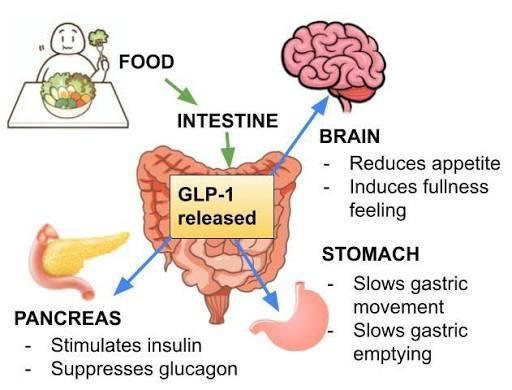
Saxenda works by mimicking the action of GLP-1, a hormone involved in appetite regulation to better understand understand how medications influence brain signaling, you can learn how appetite regulating medications affect the brain. The Canadian monograph says Saxenda helps adults with overweight or obesity, and adolescents with obesity, lose weight and keep the weight off, and it should be used together with reduced-calorie eating and increased physical activity. The clinical review in NCBI Bookshelf describes liraglutide 3 mg as a human GLP-1 analogue that increases feelings of fullness and satiety while lowering hunger and prospective food consumption.
In practical terms, that means Saxenda may help people feel satisfied sooner, experience less hunger between meals, and find it easier to follow a structured eating plan. The medicine is not designed to replace healthy habits; instead, it supports them by changing appetite signalling. That is also why Canadian obesity guidance places weight-management medicines within a broader long-term strategy rather than as a stand-alone intervention.
Who Saxenda is for in Canada
According to the Canadian product monograph, Saxenda is used for adults aged 18 and older who have either a BMI of 30 or greater, or a BMI between 27 and 30 with at least one weight-related comorbidity and previous unsuccessful weight-management intervention. The monograph also supports use in selected adolescents 12 to under 18 years of age with obesity, body weight above 60 kg, and inadequate response to diet and activity alone.
Canadian obesity guidance emphasizes that the response to pharmacotherapy is variable and that treatment choices should consider benefits, side effects, dosing, medication interactions, and cost. It also notes that obesity medications are intended as part of a long-term treatment strategy.
For Canadian readers, this means Saxenda is generally a clinician-guided option rather than a casual lifestyle product. It is most appropriate when there is a medical reason to address excess weight and when ongoing support from a healthcare professional is available.
Safe use practices
Saxenda uses a dose-escalation schedule to help reduce gastrointestinal symptoms. The monograph states that the dose should be increased gradually, and if a patient does not tolerate an increase during escalation, the schedule can be delayed by up to seven days. The usual maintenance target is 3 mg daily after the gradual titration period. NCBI’s Canadian clinical review likewise describes weekly dose increases of 0.6 mg over four weeks to reach the 3 mg daily maintenance dose.
This gradual approach is one of the most important harm-reduction principles for Saxenda use. Starting slowly, staying within the prescribed titration schedule, and checking in with a clinician if side effects become difficult are all part of safe use. Canadian obesity guidance also highlights that dose should be tailored to the person and may be lower than the maximum if treatment goals are reached at a lower dose.
A second safety principle is to use Saxenda as part of a broader health plan. The monograph says it should be combined with reduced calorie intake and increased physical activity. The Canadian guideline update also frames obesity medications as adjuncts to health behaviour changes, not replacements for them.
Benefits of Saxenda
The main benefit of Saxenda is that it can support clinically meaningful weight management in appropriate patients. The Canadian guideline update states that liraglutide (Saxenda) is one of six medications approved for long-term obesity management and that these medications can help people achieve and maintain improvements in weight and health complications associated with excess weight.
Saxenda may be especially useful for people who struggle with appetite regulation, frequent hunger, or difficulty sustaining weight-loss efforts through behaviour change alone. Because it affects hunger and satiety signalling, it can help reduce the internal pressure to eat and make structured meals easier to follow. The Canadian monograph and clinical review both describe this appetite-related mechanism.
That said, the benefit of Saxenda depends on proper selection, regular monitoring, and realistic expectations. Canadian guidance emphasizes that individual response is variable and that goals should focus on overall health, not only scale weight.
Common side effects
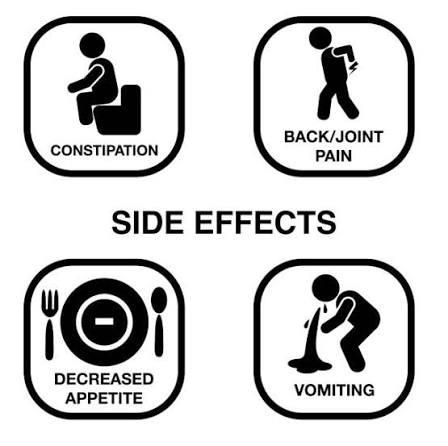
The most common side effects of Saxenda are gastrointestinal. In the product monograph, nausea is the most frequently reported adverse effect, and the monograph also lists vomiting, diarrhea, constipation, dyspepsia, abdominal pain, dry mouth, gastritis, gastroesophageal reflux disease, flatulence, eructation, and abdominal distension. It also notes that nausea tends to decline as treatment continues.
Other reported early effects include fatigue, malaise, dizziness, and taste changes, especially in the first weeks of treatment. In the monograph, these effects were often reported in the first 12 weeks and were generally mild to moderate and transient.
For a Canadian health article, it is worth explaining that these reactions do not automatically mean a person should stop therapy. They are common adjustment effects, which is why the dose is increased gradually and why follow-up matters. A clinician can help determine whether the symptoms are expected, whether the dose should be slowed, or whether another approach is needed.
Important risks and warnings
Saxenda also carries important safety warnings. The monograph includes a warning about a possible risk of thyroid tumours, including medullary thyroid cancer, based on animal studies. It says that patients should be counselled about symptoms such as a lump in the neck, hoarseness, trouble swallowing, or shortness of breath.
The monograph also warns about acute pancreatitis. It states that patients should be observed for severe abdominal pain that may radiate to the back and may or may not be accompanied by vomiting, and that Saxenda should be stopped promptly if pancreatitis is suspected. If pancreatitis is confirmed, it should not be restarted.
Gallbladder disease is another concern. In trials, cholelithiasis and cholecystitis occurred more often in Saxenda-treated patients than in placebo-treated patients, and the monograph notes that substantial or rapid weight loss can increase the risk of gallstones.
The monograph also notes an increase in resting heart rate in Saxenda-treated patients and recommends that heart rate be monitored regularly. It adds that patients should report palpitations or a racing heartbeat at rest, and that Saxenda should be discontinued if there is a sustained increase in resting heart rate.
Psychiatric safety is also discussed in the monograph. It reports suicidal ideation in clinical trials and advises discontinuation if suicidal thoughts or behaviours occur, while also warning against use in patients with a history of suicide attempts or active suicidal ideation.
When to seek medical help
People using Saxenda should seek medical advice right away if they develop persistent severe abdominal pain, especially pain that may spread to the back, because that may be a sign of pancreatitis. They should also seek help for symptoms of a possible thyroid problem, such as a neck lump, hoarseness, trouble swallowing, or shortness of breath. The Canadian monograph specifically highlights these warning signs.
Medical help is also important if there are ongoing palpitations, a racing heartbeat at rest, significant mood changes, or any suicidal thoughts. The monograph directs patients to inform their healthcare professional about a racing heartbeat while at rest and to stop the medicine if suicidal thoughts or behaviours develop.
Practical harm-reduction advice for Canadian readers
A sensible Saxenda safety plan begins with the dose schedule prescribed by the clinician. It’s also important to understand safe medication use and risk awareness. The monograph says dose increases should be gradual and may be delayed if the patient is not tolerating escalation. That means patients should not adjust the dose on their own.
It also helps to remember that obesity medications are part of a long-term strategy. Canadian guidance says stopping medication can lead to weight regain and loss of the health benefits the person experienced. The guideline also warns that compounded or non-approved obesity medications may not be safe or effective and should be avoided.
For that reason, a practical harm-reduction approach is to stay in regular contact with a healthcare professional, monitor side effects early, and combine treatment with eating and activity changes that are sustainable. Canadian obesity guidance specifically says medication choice should consider benefits, side effects, dosing, interactions, and cost.
Conclusion
Saxenda is a Health Canada-marketed prescription medicine used for chronic weight management in appropriate adults and some adolescents in Canada. It works by affecting appetite regulation, helping people feel fuller sooner and less hungry overall, while supporting a reduced-calorie diet and increased physical activity.
Like any effective medicine, Saxenda has trade-offs. The most common side effects are gastrointestinal, but the product monograph also highlights more serious risks involving pancreatitis, gallbladder disease, increased heart rate, thyroid tumours, and mood-related concerns. Safe use depends on proper dose escalation, regular monitoring, and a treatment plan that fits the patient’s goals and medical history.
For a Canadian audience, the most useful message is that Saxenda can be part of a legitimate, clinician-guided weight-management plan, but it should be used thoughtfully and monitored carefully. That is the difference between medication that supports health and medication that becomes hard to tolerate.
FAQ
What is Saxenda used for in Canada?
Saxenda is used for chronic weight management in adults with obesity, or overweight with at least one weight-related comorbidity and prior unsuccessful weight-management intervention, and in selected adolescents with obesity.
How does Saxenda work?
Saxenda is a GLP-1 analogue that increases fullness and satiety while lowering hunger and prospective food consumption. It is meant to be used with reduced-calorie eating and increased physical activity.
What are the most common Saxenda side effects?
The most common side effects are gastrointestinal, especially nausea, along with vomiting, diarrhea, constipation, abdominal pain, and related symptoms.
What serious Saxenda warnings should patients know?
The main serious warnings include possible thyroid tumours, pancreatitis, gallbladder disease, increased heart rate, and suicidal ideation or mood changes.
Is Saxenda used long term?
Canadian obesity guidance describes liraglutide (Saxenda) as one of the medications approved for long-term obesity management, and notes that stopping medication can lead to weight regain and loss of benefits.