How To Select Durable And Efficient Machinery For Agriculture And Marine Use
Last Updated on 18 April 2026
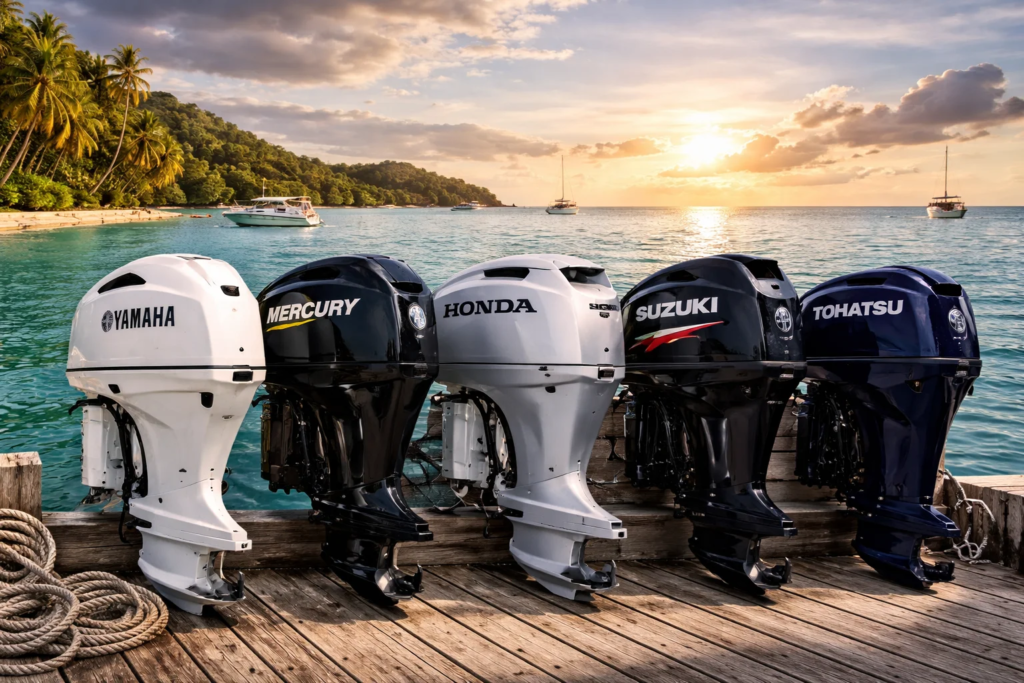
Have you ever asked yourself how to choose machinery that can handle daily work smoothly, stay reliable over time, and help you get more done on land and on water?
Selecting machinery for agriculture and marine use can feel like a big step, but it becomes much easier when you focus on a few practical things. The main goal is to choose equipment that matches the job, works efficiently, and stays dependable through regular use.
A smart choice starts with understanding your needs. Agricultural work and marine work may happen in different settings, yet they share a few common priorities. In both cases, people usually want strong build quality, good fuel use, easy maintenance, useful features, and reliable performance in day-to-day conditions.
This article explains how to make that choice in a clear and simple way, with practical points you can apply before making a purchase.
Start With The Work You Need To Do
The first step is to look at the actual tasks the machine will handle. A machine that suits one type of work may not be the best fit for another. Keeping the job in mind helps narrow your options and makes the choice more practical.
For agriculture, the work may include soil preparation, hauling materials, lifting, mowing, planting support, or property maintenance. For marine use, the machine may support fishing, transport, recreation, moving supplies, or work around docks and shorelines.
Match Machinery To Daily Use
It helps to make a short list of your regular tasks. This gives you a clearer picture of the size, capacity, and features that will serve you best.
You can ask questions like these:
- How often will the machine be used?
- How many hours will it run in a typical week?
- Will it be used for lighter tasks, heavier work, or a mix of both?
- What kind of terrain or water conditions will it face?
- Will more than one person use it?
Think About Capacity And Output
Capacity matters because it affects how smoothly the work gets done. In agriculture, this may relate to engine output, lifting ability, towing support, and implement compatibility. In marine use, this may relate to boat size, load needs, and operating style.
A balanced match is often the best option. Machinery should have enough strength for the job while also staying easy to operate and efficient during regular use.
Focus On Durability First
Durability is one of the most valuable qualities in any machine. A durable machine is built to handle repeated use with steady performance. It supports confidence in daily work and often brings better value over time.
Strong materials, solid construction, and a well-built frame are all signs of lasting quality. Agricultural equipment may need to handle dust, soil, changing temperatures, and long working hours. Marine equipment may need to perform well around moisture, moving, and changing weather.
Check Build Quality Closely
A careful look at build quality can tell you a lot. Strong parts, neat assembly, quality finishes, and sturdy components all suggest reliable manufacturing.
Pay attention to:
- Frame strength
- Material quality
- Protective finishes
- Control layout
- Fittings and connections
- Overall balance and stability
Look For Easy Maintenance Access
Durability and maintenance often work together. Machinery that allows easy access to service points can support smooth upkeep and consistent performance.
Choose Efficiency That Fits Your Routine
Efficiency is not only about output. It also includes fuel use, ease of operation, time saved, and how smoothly the machine handles its tasks. Efficient machinery helps people finish work with less effort and better consistency.
A practical machine should feel comfortable to operate and respond well during normal working conditions. That kind of efficiency is valuable in both farm settings and marine settings.
Give Attention To Fuel Use
Fuel efficiency matters because it affects day-to-day operating value. A machine that uses fuel wisely while still doing its job well can support a more balanced routine.
Look For Smooth Operation
Smooth operation can make a real difference during long working hours. Easy steering, clear controls, stable handling, and good responsiveness all support a better experience.
In simple terms, efficient machinery should feel natural to use. It should help the operator stay focused on the work instead of spending extra effort on basic handling.
Compare Key Features In A Practical Way
Features can add real value when they support everyday work. The most useful features are the ones that improve comfort, control, and performance without making the machine harder to manage.
Before making a decision, compare machines side by side based on the features that matter most to your tasks.
Useful Features For Agriculture And Marine Use
Here is a simple comparison table to help organize your thinking:
| Area To Compare | Agriculture Use | Marine Use |
| Build Quality | Strong frame and durable parts | Corrosion-resistant materials and sturdy assembly |
| Efficiency | Good fuel use and steady output | Smooth fuel use and responsive handling |
| Ease Of Use | Clear controls and operator comfort | Easy throttle control and stable operation |
| Maintenance | Accessible service points | Simple inspection and cleaning access |
| Work Match | Supports attachments and field tasks | Fits boat size and transport needs |
Keep Comfort In Mind
Comfort supports efficiency too. A machine that feels comfortable to use can help the operator stay focused and productive through longer sessions.
Comfort may include:
- Easy-to-reach controls.
- Supportive seating.
- Good visibility.
- Smooth steering or handling.
- Balanced weight distribution.
Pay Attention To Size, Fit, And Working Conditions
The best machine is one that fits both the job and the environment. Size matters because it affects movement, storage, handling, and day-to-day practicality.
Agricultural machinery should suit the field size, gate access, storage area, and type of work tools used with it. Marine machinery should fit the vessel properly and support the way the boat is used on a regular basis.
Make Sure The Machine Fits The Environment
For land use, look at:
- Field size
- Surface conditions
- Storage area
- Turning space
- Attachment needs
For water use, look at:
- Boat size
- Typical load
- Water conditions
- Docking needs
- Travel distance
Use Research In A Simple And Practical Way
Before choosing machinery, it helps to read product details, compare specifications, and review how different models suit different uses. This part does not need to feel complicated. A simple comparison of build quality, support, efficiency, and fit can already tell you a lot.
For example, someone browsing Outboard Motors for Sale may want to compare output, size, and boat compatibility in a practical way. In the same way, a buyer looking at a Fendt Tractor may focus on field use, equipment support, and overall working comfort. In both cases, the main idea is the same: choose machinery that suits real tasks and offers steady value over time.
Keep Your Final Checklist Simple
Before making a final choice, it can help to review a short checklist:
- Does the machine match the main job?
- Does it feel durable and well-built?
- Is it efficient for regular use?
- Are the controls clear and comfortable?
- Is maintenance access simple?
- Does the size fit the setting?
- Does it support long-term everyday use?
Final Thoughts
Selecting durable and efficient machinery for agriculture and marine use becomes much easier when you keep the process practical. Start with the job you need to do, look closely at build quality, compare efficiency, and choose a machine that fits your working conditions. A well-matched machine can support smoother routines, steady performance, and lasting value across many types of daily work.