Carafe Glassware & the Tradition of Decanting Wine
Last Updated on 6 May 2026
Introduction
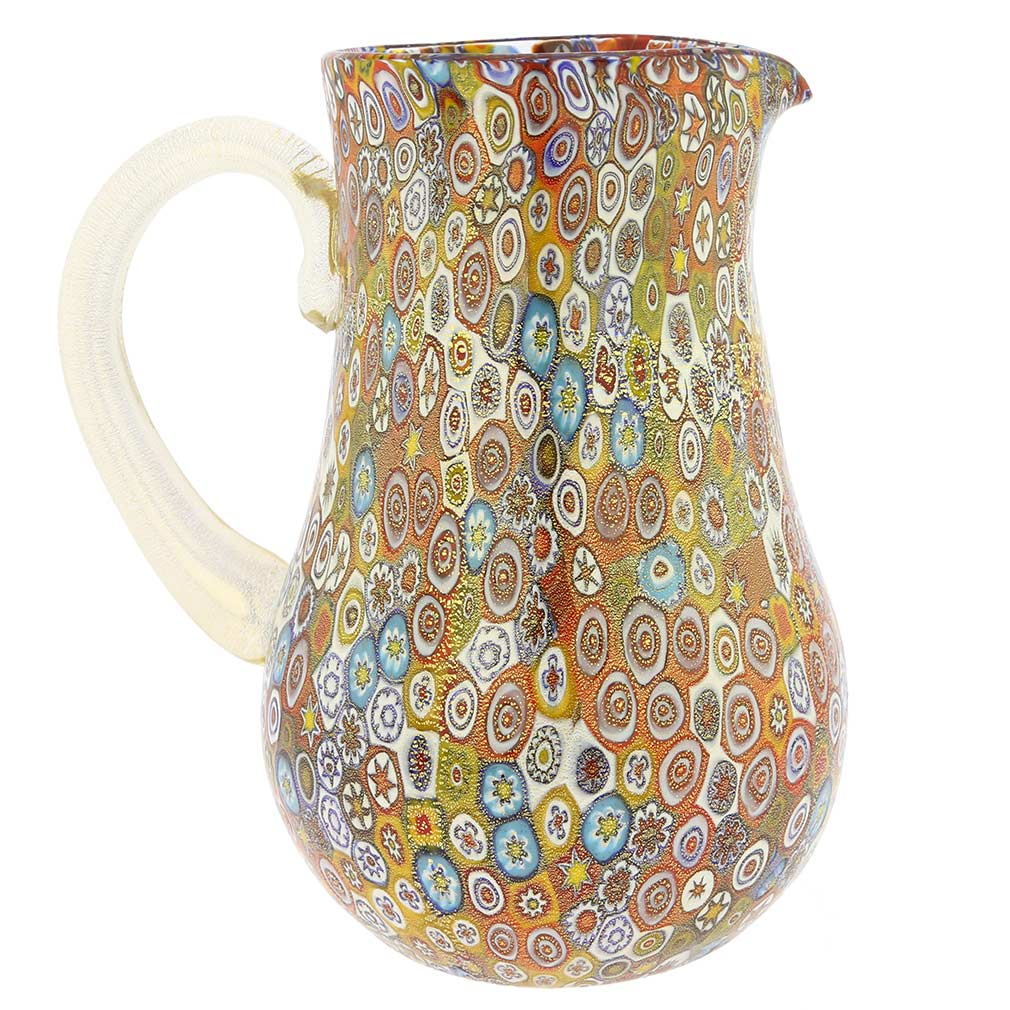
If you have ever ordered wine in expensive restaurants or even in basic ones while traveling in Italy, you may have noticed that wine is often served in carafes or decanters. Carafe glassware exists for two main purposes. The first is to serve wine more elegantly than in the original bottles. The second is to decant wine. People decant wine for different reasons. One of the most important things is to remove sediment from mature wines to prevent them from tasting gritty and unpleasant. Another reason is to aerate younger wines, while upgrading and boosting their aromas and softening their tannins.
Why Do We Decant Wine?
To Remove Sediment
As a red wine ages, sediments, such as grape solids and tannins, settle at the bottom of the bottle. They make the wine unpleasantly bitter and gritty. Decanting the wine into a piece of carafe glassware makes sure that the sediment remains in the bottle rather than going into your glass. Sediment is most common in wines aged 10 years or older. Decanting clears a cloudy, aged wine, making it pleasing to the taste buds.
Decanting mature wines should be done slowly to prevent the sediment from mixing with the wine. It should also be done just before serving as too much oxidation can ruin the gentle aromas of a mature wine.
To Aerate the Wine
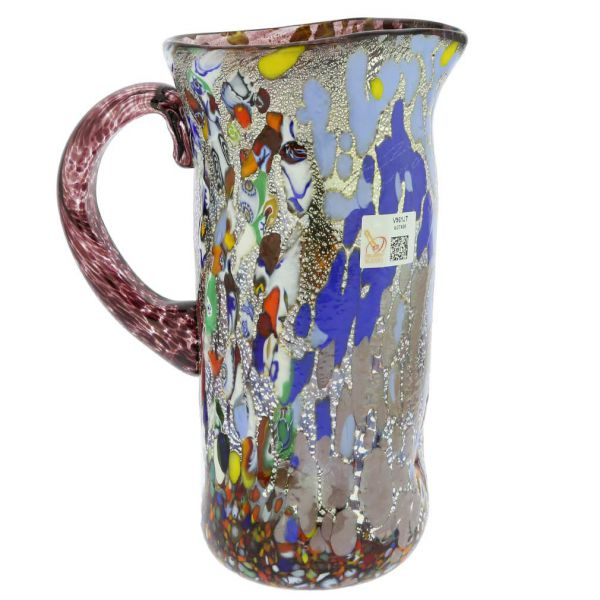
Younger, bold red wines should be decanted to enhance the taste. This is done by aerating them, that is, exposing them to fresh air. This allows them to breathe and allows the flavors and aromas to be released. However, too much oxygen can ruin a good wine, so it is a matter of balance. Decant between one and three hours before serving and pour quickly into the decanter to increase oxidation. By doing this, the wine will become smoother and well-rounded.
To Soften Tannins
Aerating wine by decanting it will help to soften the tannins. Tannins are natural compounds found in grape skins and stems, which create a bitter and drying
taste in the mouth. They act as a preservative and allow the wine to age, but their taste can be unpleasant.
To Get Rid Of Sulfur Smells
Sometimes, a slightly off-putting smell, such as sulfur, develops in a bottle of wine. Briefly aerating it allows these unpleasant smells to disappear.
For Temperature Adjustment
Decanting can bring a red wine stored in a cool cellar up to room temperature more quickly, which will be more enjoyable on the palate.
For Improved Presentation
Pouring wine into an elegant decanter makes the wine look more pleasing and enhances the ceremony. A decanter of red wine is perfect for a dinner party.
History of Decanting Wine
Decanting Wine isn’t a new idea – it dates back thousands of years to the ancient civilizations of both Greece and Rome. Because of limitations in winemaking techniques, wine at this time often contained a considerable amount of sediment. Naturally, this made the wine taste unpleasant and gritty, so a decanter was invented as a way to gently and easily get rid of this sediment. The logic was simple – as wine was poured slowly into a decanter, the sediment was left behind in the original vessel. It had to be poured slowly, otherwise some of the sediment could easily end up in the decanter. By decanting, the nobility of the time felt that they were serving quality wine, thereby elevating their social status.
In the Middle Ages, wine became important in religious rituals, and it therefore needed to be pure. At the same time, there were advancements in glassmaking techniques, such as those on the Italian island of Murano, where glass was, and still is, handmade and is of high quality and clarity. The church cellar masters used these glass-blown decanters to purify their wines, giving decanting an elevated sacred status.
During the Italian Renaissance, glass decanters became popular among the nobility as well as the church. By the 18th century, as bottling techniques improved, it was realised that the longer a red wine was aged, the more likely it was for sediment to form. People started to want glass decanters that were both practical and also showcased their wines to the best advantage. Not only was beautiful carafe glassware produced in Venice, but by the mid-18th century, exquisite handmade crystal decanters were made in the U.K. and Ireland.
By the late 18th century, restaurants had become popular amongst the wealthy, and they wanted carafe glassware such as pitchers or decanters to grace their tables. Original wine bottles, which were often also dusty and dirty, were frowned upon and weren’t usually placed on the tables.
In the 20th century, the two World Wars brought a decline in the use of carafe glassware. Resources were scarce, as was manpower. However, after the Second World War, people wanted luxury again, and carafes were once again used, both for aesthetics and for decanting.
Wine drinking and wine culture in general have gained popularity at the end of the twentieth and beginning of the twenty-first century. Many people now enjoy drinking wine, both for special occasions and while traveling, or just spending a night with friends. They also realize that decanting is useful for a wide range of reasons, especially for removing sediment and for aerating, releasing rich aromas and tastes. In contemporary wine-tasting culture, decanting has become a ritual that honors the wine and the winemaker. It is especially prominent in important wine-growing areas where tourists come to taste wines and enjoy top-notch cuisine, such as the Barolo and Chianti in Italy, the Rhone and Bordeaux in France, the Rioja in Spain, or Napa and Sonoma Valleys in the United States.
How to Decant Wine
In the past, only mature red wines were decanted, mainly to separate the wine from the sediment but also to give the wine a gentle aeration. After all, the wine would have been in the bottle for years, so it needs to breathe a little.
However, young wines also benefit from decanting. It makes them smoother and opens up the aromas and flavors, making the wine more complex than it would be if you drank it without decanting. The primary reason for this is that the main preservative in wine is carbon dioxide. By exposing the wine to oxygen, the carbon dioxide burns away, maturing the wine. You are then able to enjoy the bouquet and the complex flavors..
Mature wines need to be decanted slowly; otherwise, you might pour some of the sediment into the carafe. If the bottle has been lying on its side, place it upright for 24 hours to allow the sediment to slide to the bottom. This makes it easier to separate the wine from the sediment. It is also important not to let oxidation happen too quickly in a mature wine, to avoid the aromas and flavors being compromised. To slowly aerate the wine, let the wine gently flow down the walls of the carafe.
With younger wines, the opposite is the rule. The carbon dioxide needs to be burned off to allow the bouquet to shine. To do this, turn the wine bottle upside down and quickly pour the wine into the carafe.
When it comes to when you should decant the wine before drinking it, it again varies between young and aged wines. Generally, the older the wine is, the less time it needs to be open. Don’t decant it until about 30 minutes before serving. After all, you wouldn’t leave an aged bottle of wine open for hours without putting in a stopper. However, a young wine can be decanted a couple of hours before serving, as it benefits from aeration. Be careful, though, not to keep it exposed to the air for too many hours, as this can cause the wine to evaporate.
Which Wines Benefit the Most From Decanting?
Aged Red Wines
Full-bodied red wines such as Bordeaux, Cabernet Sauvignon, or Barolo wines, among others, often contain sediment. Decanting them slowly and carefully lets them breathe gently and separates the wine from the sediment, usually without aerating the wine too much.
Young, Bold Red Wines
Young red wines, particularly ones with strong tannins, such as Cabernet Sauvignon, Shiraz, Malbec, Barolo, Tempranillo, and Mourvedre, benefit from a couple of hours of aeration. This both helps to bring out the bouquet as well as smooth out the tannins. Wide-bottom decanters are best for introducing oxygen to the wine.
Full Bodied/Oaked White Wines
White wine generally doesn’t need decanting. However, carafe glassware is often used for aesthetic purposes with whites. However, structured white wines such as an oaked Chardonnay can benefit from up to 30 minutes of decanting to open up the complex aromas.
Orange and Natural Wines
Natural wines are unfiltered, so they may have an unusual aroma. Decanting for 15 – 20 minutes can help these aromas to clear.
So Should You Decant Wines?
If you care about presentation, elegance, and style when hosting a wine or dinner party, we definitely recommend decanting the wines you serve. The only time not to do that is if you are serving sparkling wines or champagnes, which will quickly lose their fizz and character when decanted. Different options exist for serving wines, including carafes, pitchers, and decanters. Carafe glassware has been in use since antiquity, and it is no less important for wine drinkers today. It began as functional tableware, eventually becoming highly decorative, with adornments of precious metals, enamels, engravings, and more. The tradition of decanting is important in that, if done correctly, it will improve the bouquet and flavor of a young wine as well as separate sediment from the liquid in a mature wine.