Digestive Health Guide: Supplements and Tips
Last Updated on 7 April 2026
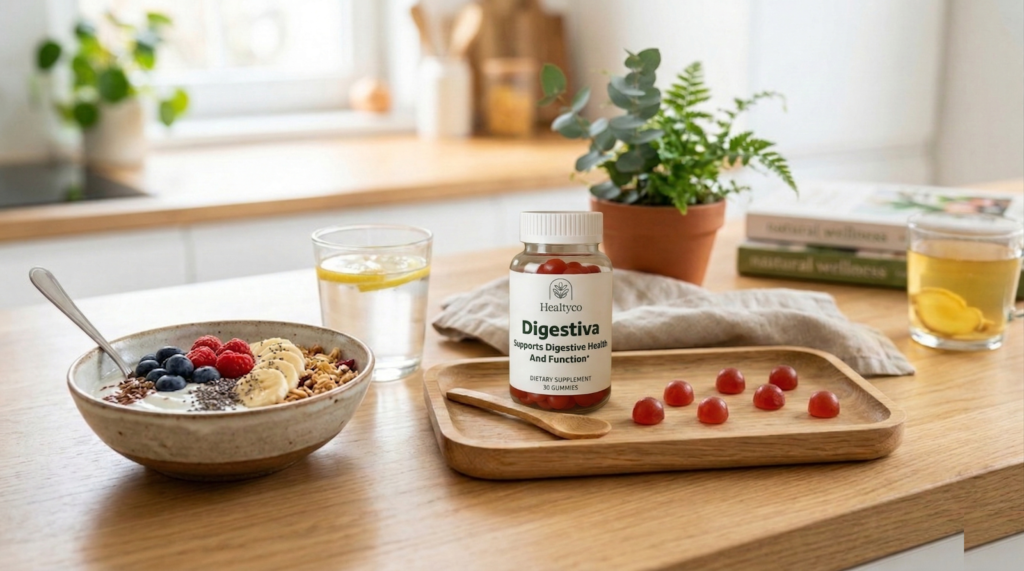
Your gut has a way of telling you when something’s off. Maybe it’s the bloating after every meal, the unpredictable bathroom schedule, or that persistent low-grade fatigue that no amount of coffee fixes. Most people ignore these signals for years, assuming it’s just stress or a bad diet. But here’s the thing: your digestive system is doing far more than breaking down food. It’s influencing your immune response, your mood, your skin, and even how well you sleep. A practical guide to digestive health, covering both digestive health supplements and daily tips, can be the difference between feeling “okay” and actually feeling good. The problem is that most advice out there is either too vague (“eat more fiber”) or too extreme (“do a 30-day gut reset cleanse”). What actually works sits somewhere in between: small, consistent changes backed by real science. I’ve spent years sorting through research, talking to nutritionists, and testing products, and the patterns are surprisingly clear. The right combination of food choices, daily habits, and targeted supplementation can shift your digestion in ways you’ll notice within weeks, not months. This isn’t about perfection. It’s about understanding what your body needs and giving it a fighting chance.
What Is Digestive Health and Why Does It Matter
What Digestive Health Means
Digestive health refers to how efficiently your gastrointestinal tract breaks down food, absorbs nutrients, and eliminates waste. But that definition barely scratches the surface. Your gut houses roughly 70% of your immune system and contains trillions of microorganisms, collectively called the gut microbiome, that influence everything from inflammation to serotonin production. A healthy digestive system isn’t just one that avoids discomfort. It’s one where the lining of your intestines is intact, your microbiome is diverse, and your body extracts what it needs from the food you eat without triggering unnecessary immune responses.
Signs of Poor Digestive Health
The obvious signs are bloating, gas, constipation, and diarrhea. But poor gut health also shows up in unexpected places: frequent colds, brain fog, skin breakouts, joint pain, and mood swings. If you’re dealing with food sensitivities that seem to multiply over time, that’s often a sign of increased intestinal permeability, sometimes called “leaky gut.” Chronic bad breath that doesn’t respond to dental care can also point to an imbalance in gut bacteria. Pay attention to patterns. If symptoms show up consistently 30 to 90 minutes after eating, your digestive system is likely struggling with something specific.
Why Gut Health Is Important Daily
Your gut doesn’t take days off. Every meal, every snack, every glass of water either supports or challenges your digestive system. Poor gut health compounds over time: a little inflammation here, a little bacterial imbalance there, and suddenly you’re dealing with chronic issues that feel like they appeared out of nowhere. The research connecting gut health to mental health alone is staggering. About 90% of your body’s serotonin is produced in the gut. Treating your digestive system well isn’t a weekend project. It’s a daily practice.
How to Improve Digestive Health Naturally
How to Improve Digestive Health Naturally
The foundation of good digestion is surprisingly boring: chew your food properly, eat at regular intervals, and stop eating when you’re about 80% full. Mechanical digestion starts in your mouth, and most people rush through meals so fast that their stomach receives barely-chewed chunks of food it has to work overtime to process. Aim for 20 to 30 chews per bite for denser foods like meat and raw vegetables. Eating on a consistent schedule also trains your body to produce digestive enzymes at predictable times, reducing the likelihood of post-meal heaviness. Hydration matters too, but timing is key: drink water between meals rather than during, since large amounts of liquid with food can dilute stomach acid.
Daily Habits That Support Gut Health
Movement is one of the most underrated digestive aids. A 15-minute walk after dinner can speed gastric emptying and reduce bloating more effectively than most over-the-counter remedies. Stress management is equally critical because your gut and brain communicate through the vagus nerve, and chronic stress literally slows digestion. Even five minutes of deep breathing before a meal can shift your nervous system from “fight or flight” to “rest and digest,” improving enzyme secretion and nutrient absorption. Sleep quality also plays a direct role: studies show that getting fewer than seven hours of sleep disrupts the gut microbiome within just two days.
Daily Habits That Support Gut Health
Fiber diversity deserves its own mention. Most people think of fiber as a single thing, but there are dozens of types, and your gut bacteria thrive on variety. Eating 30 different plant foods per week, a target from the American Gut Project, is one of the best things you can do for microbial diversity. This includes fruits, vegetables, nuts, seeds, herbs, spices, and whole grains. You don’t need exotic superfoods. Rotating between different types of beans, switching up your salad greens, and using varied spices in cooking all count. Fermented foods like sauerkraut, kimchi, and plain yogurt introduce beneficial bacteria directly, though consistency matters more than quantity. A tablespoon of sauerkraut daily does more than a jar once a month.
Digestive Health Supplements Explained
What Are Digestive Health Supplements
Digestive health supplements are products designed to support one or more aspects of gastrointestinal function. They include probiotics (live beneficial bacteria), prebiotics (fiber that feeds those bacteria), digestive enzymes (which help break down specific nutrients), and targeted compounds like L-glutamine (which supports intestinal lining repair). The supplement industry has exploded in this category, and not all products deliver what they promise. Understanding the different categories helps you avoid wasting money on things you don’t need while identifying what might actually fill gaps in your diet.
How Supplements Support Gut Health
The mechanism depends on the type. Probiotics work by introducing specific bacterial strains that compete with harmful microbes for space and resources in your gut. Prebiotics, such as inulin and fructooligosaccharides, serve as fuel for your existing beneficial bacteria, helping them multiply. Digestive enzymes compensate for your body’s own production shortfalls: as you age, your natural enzyme output decreases, which is why many people develop food intolerances in their 30s and 40s that they never had before. Some supplements, like betaine HCl, support stomach acid levels, which are essential for protein digestion and mineral absorption.
How Supplements Support Gut Health
The evidence base varies significantly by supplement type. Probiotics have the strongest clinical support, particularly for conditions such as antibiotic-associated diarrhea, irritable bowel syndrome, and certain types of inflammatory bowel disease. But strain specificity matters enormously. Lactobacillus rhamnosus GG has strong evidence for preventing diarrhea, while Bifidobacterium longum shows promise for reducing bloating. A generic “probiotic blend” with no strain-level identification on the label is a red flag. Prebiotic supplements are gaining popularity, though getting prebiotics from whole foods like garlic, onions, and asparagus is often more effective and cheaper.
When to Consider Supplements
Top 5 Gut Health Supplements to Know
If you’re looking at the top 5 gut health supplements worth researching, here’s where to start:
- Probiotics (multi-strain, with CFU counts of 10 to 50 billion): Best for restoring balance after antibiotics or during periods of digestive distress
- Prebiotic fiber (inulin, acacia fiber, or partially hydrolyzed guar gum): Feeds existing beneficial bacteria and supports regularity
- Digestive enzymes (broad-spectrum blends with protease, lipase, and amylase): Helpful for people who experience bloating or heaviness after meals
- L-Glutamine: An amino acid that supports repair of the intestinal lining, particularly useful after periods of gut inflammation
- Magnesium citrate or glycinate: Supports motility and relaxation of the intestinal muscles, especially for those prone to constipation
Key Ingredients in Gut Health Supplements
Read labels like you’d read food ingredient lists: the order matters. Active ingredients should appear first, and you want to see specific bacterial strains listed by their full names (genus, species, and strain). Avoid products loaded with fillers, artificial colors, or unnecessary sweeteners. For enzyme supplements, check that the blend covers multiple food types: protease for protein, lipase for fats, amylase for starches, and lactase if you’re sensitive to dairy. Third-party testing certifications from organizations like USP, NSF, or ConsumerLab indicate that what’s on the label is actually in the bottle.
How to Choose the Right Supplement
Start with your symptoms, not with marketing. If your primary issue is bloating after meals, a digestive enzyme supplement is a more logical first step than a probiotic. If you’ve recently finished a course of antibiotics, a targeted probiotic with documented strains makes sense. If constipation is your main concern, magnesium or a prebiotic fiber supplement is likely more useful than a multi-strain probiotic. Price doesn’t always correlate with quality in this category. Some of the best-studied probiotic strains are available in affordable products, while expensive “premium” blends sometimes contain strains with minimal research behind them.
How to Choose Digestive Health Supplements
What to Look for in Digestive Health Supplements
Choosing the right digestive health supplements comes down to three factors: evidence, ingredient transparency, and appropriate dosing. Look for products that cite specific clinical studies or use strains that have been independently researched. The supplement should clearly list every ingredient, including inactive ones, and specify the amount of each active component per serving. For probiotics, colony-forming units (CFUs) should be guaranteed through the expiration date, not just at the time of manufacture, because potency degrades over time.
Quality and Ingredient Factors
Storage requirements matter more than most people realize. Some probiotics need refrigeration to maintain viability, while shelf-stable formulations use specific encapsulation technology to survive at room temperature. Neither is inherently better, but you need to follow the storage instructions on the product you buy. Enteric coating or delayed-release capsules can help probiotics survive stomach acid and reach the intestines where they’re needed. For enzyme supplements, look for products measured in activity units (like HUT for protease or FCC LU for lipase) rather than just milligrams, since weight alone doesn’t tell you how effective the enzyme is.
Common Mistakes When Buying Supplements
The biggest mistake is buying based on influencer recommendations without checking whether the product suits your specific situation. A probiotic that helped someone with IBS-D (diarrhea-predominant) might worsen symptoms for someone with IBS-C (constipation-predominant). Another common error is taking too many supplements at once, which makes it impossible to identify which are helping and which are causing side effects. Start with one supplement at a time, give it at least three to four weeks, and track your symptoms. Also, don’t assume “natural” means safe: certain herbal digestive supplements can interact with medications, particularly blood thinners and immunosuppressants.
Building a Routine for Digestive Health
Combining Supplements with Diet
Supplements work best as additions to a solid dietary foundation, not replacements for one. Taking a probiotic while eating a diet high in processed foods and sugar is like watering a garden you’ve paved over. The bacteria you introduce need fiber and a diverse array of plant compounds to thrive. Pair your probiotic with prebiotic-rich foods: a morning routine might include a probiotic capsule alongside oatmeal topped with banana and flaxseed, which provides both soluble and insoluble fiber to feed those new bacterial residents.
Combining Supplements with Diet
Timing also affects how well supplements work. Digestive enzymes should be taken at the start of a meal or within the first few bites, since they need to mix with food to function. Probiotics are generally best taken on an empty stomach or with a small amount of food, though this varies by formulation. L-glutamine is often recommended on an empty stomach, typically first thing in the morning, to maximize absorption. Magnesium for digestive support works well taken before bed, since it also promotes relaxation and sleep quality, creating a positive feedback loop for gut health.
Daily Routine for Gut Health
A realistic daily routine might look like this: wake up, take L-glutamine with water, eat breakfast with a probiotic capsule, take a digestive enzyme with lunch if it’s your heaviest meal, eat a fiber-rich dinner, go for a short walk, and take magnesium before bed. That’s not complicated, and it covers multiple angles of digestive support. The key is consistency over intensity. Taking your supplements five days a week for six months will produce better results than a perfect regimen you abandon after two weeks because it feels like too much work.
Final Thoughts on Digestive Health
Final Thoughts on Digestive Health
Improving your digestion isn’t about finding one magic pill or following a rigid protocol. It’s about understanding your body’s signals, making consistent dietary choices, and using supplements strategically to fill genuine gaps. The best digestive health tips and supplement strategies are the ones you’ll actually stick with, week after week.
Is Improving Digestive Health Worth It
Absolutely, and the returns go far beyond fewer stomachaches. People who improve their gut health consistently report better energy, clearer skin, improved mood, and fewer sick days. These aren’t placebo effects: they’re the downstream results of a system that’s finally working the way it should. The investment in quality food and a few well-chosen supplements pays for itself in reduced healthcare costs and improved quality of life.
Who Should Focus on Gut Health
Everyone benefits from paying attention to their digestion, but certain groups should prioritize it: anyone who’s recently taken antibiotics, people dealing with chronic stress, those with autoimmune conditions, and anyone over 40 whose enzyme production is naturally declining. If you’ve been ignoring your gut for years, start small. Pick one habit and one supplement, give it a month, and build from there. Your gut has been trying to talk to you. It’s time to listen.