9 Expert Long-Distance Moving Tips to Make Family Relocation Easier
Last Updated on 7 October 2026
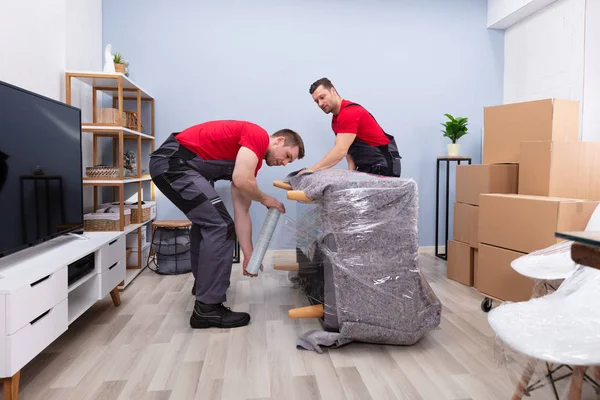
Moving to a new city can be exciting, but a long-distance relocation brings a different level of complexity when children, work commitments, school schedules, pets, and household belongings are involved. Families have far more to coordinate than simply packing boxes and arranging transport.
The most successful moves usually begin with careful preparation. A clear plan can reduce rushed decisions, control unnecessary costs, and make the transition feel more manageable for everyone. These nine practical tips can help families organise a long-distance move with greater confidence.
1. Start Planning Earlier Than You Think
Long-distance moves require more preparation than local relocations, so beginning early is one of the simplest ways to reduce pressure.
Create a moving calendar that includes important deadlines such as notifying the landlord, arranging utilities, transferring school records, changing addresses, booking transport, and packing different rooms.
Breaking the process into smaller weekly tasks also makes the workload easier to manage. Instead of attempting to pack an entire house over one weekend, families can gradually prepare less frequently used areas first.
2. Build a Realistic Moving Budget
Transport is only one part of the cost of relocating. Families should also consider packing materials, temporary accommodation, travel expenses, cleaning, storage, insurance, and possible childcare or pet-care costs.
Leave some room in the budget for unexpected expenses. Long-distance relocations can involve delays or last-minute changes, and having a financial buffer can prevent relatively small problems from becoming stressful emergencies.
3. Declutter Before Packing Begins
Moving unnecessary belongings across a long distance costs time, space, and money. Before packing, review each room and decide what should be kept, donated, sold, recycled, or discarded. Clothing that no longer fits, unused kitchen equipment, outdated electronics, and forgotten storage items are good places to begin.
Decluttering also makes unpacking easier because fewer unnecessary possessions arrive at the new home.
4. Choose Professional Movers Carefully
The company handling your household belongings plays an important role in the overall moving experience. Families should compare several providers rather than accepting the first available quotation.
When researching movers Scarborough residents may consider looking beyond the headline price. Ask about experience with long-distance relocations, insurance arrangements, estimated delivery windows, packing services, and how unexpected delays are managed.
A reputable provider should explain costs and responsibilities clearly before the move begins.
5. Pack an Essentials Box for Every Family Member
Not everything should disappear into the moving truck. Prepare a separate bag or box containing items needed during travel and immediately after arrival. This might include clothing, toiletries, medicines, chargers, snacks, basic kitchen supplies, children’s comfort items, and pet essentials.
Keeping these belongings accessible prevents the family from searching through dozens of boxes after an exhausting journey.
6. Prepare Children for the Transition
Children can experience a move very differently from adults. While parents may focus on logistics, children may be concerned about leaving friends, changing schools, or adjusting to an unfamiliar neighbourhood.
Explain the move early and allow them to ask questions. Older children can help organise their belongings, while younger children might enjoy decorating or labelling their own moving boxes.
If possible, show them photographs of the new area, school, parks, or nearby attractions. Familiarity can make the destination feel less intimidating.
7. Keep Important Documents With You
Certain documents should never be packed with general household belongings. Keep passports, identification, medical information, school documents, property paperwork, insurance records, financial documents, and valuable personal items in a secure folder that travels with the family.
Before handing belongings to a moving company, create a basic inventory of valuable items and photograph expensive furniture or electronics. This provides a useful record of their condition before transportation.
8. Plan for Moving Day and the First Night
Moving day tends to be busy even when preparation has been thorough. Confirm arrival times, travel arrangements, parking access, keys, and contact details in advance. Families travelling separately from their belongings should also know where they will stay if delivery occurs later than expected.
At the new home, prioritise beds, basic toiletries, children’s necessities, and simple food rather than attempting to unpack everything immediately.
9. Give Your Family Time to Settle In
A successful relocation does not end when the final box enters the house. Families may need several weeks to establish new routines, learn the neighbourhood, arrange services, and become comfortable in unfamiliar surroundings. Avoid placing unnecessary pressure on everyone to feel settled immediately.
Explore the local area together, introduce children to nearby facilities, and gradually organise the home according to daily priorities.
Conclusion
Long-distance moving becomes considerably easier when families treat it as a structured process rather than a single stressful event. Early planning, sensible budgeting, thoughtful packing, and clear communication can prevent many common difficulties.
Most importantly, remember that relocation affects every family member differently. Combining practical organisation with patience gives everyone the space they need to adapt and turn an unfamiliar house into a comfortable new home.