What Is Stock Trading And How Should You Best Approach It?
Last Updated on 3 March 2026
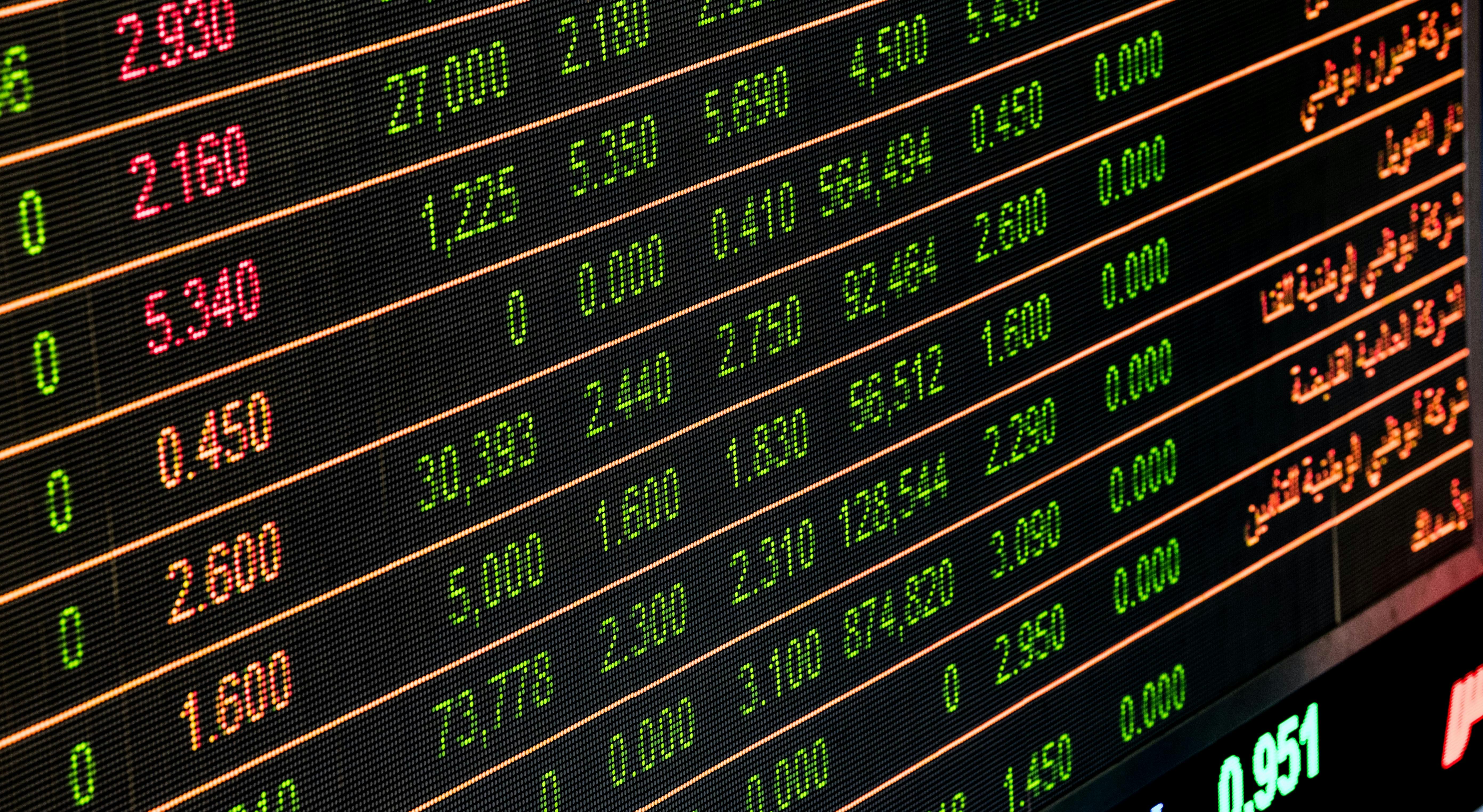
Stock trading is likely one of the most popular forms of trading out there. Wait a minute, you’re not sure what it is? Well, then you’ve come to the right place, as you’re about to. First, you need to break the word down, starting with the term ‘stock’. Stocks are essentially just pieces of a publicly listed company that you can purchase for part ownership of said company. The more stocks you have, the higher your ownership value is. That makes sense, right? Great, then the ‘trading’ part. This is simply the exchange of these stocks. So, when you buy or sell stocks, this is you completing trades. Make more sense? Excellent. Now, it must be noted that this is the most basic understanding of what stock trading is and that there are more nuanced pieces you need to be aware of to actually engage in trading like this.
Below you will learn a lot more about this topic. You will dive deeper into what 株取引 actually is and how it works to its finest detail. Then, you’ll learn how you can take different approaches to trading, as there isn’t a one-size-fits-all solution. It’s dependent on your needs and wants. And beyond all of this, it’s also worth looking at the risk involved and your own emotional investment. Ready to dive in?
How Stock Trading Actually Works
Stock markets operate as organized venues where buyers and sellers meet electronically. Orders are placed through brokerage platforms, which act as intermediaries between individual traders and the wider market. Once an order matches with another participant, the trade is executed. Prices fluctuate based on supply and demand, which constantly shift throughout the trading day and this is the part you need to keep your eye on. You want to sell when the price is high and buy when it’s low but knowing those shifts is not always so easy. You have to look at market values, company changes and even political changes that could all impact the value of a certain stock.
There are quite a few elements that shape how trades occur:
- Market orders execute immediately at the best available price
- Limit orders set a specific price at which buying or selling is acceptable
- Bid prices reflect what buyers are willing to pay
- Ask prices represent what sellers want to receive
- Liquidity influences how easily shares can be traded
Additionally, price movements themselves are influenced by a wide range of information. Earnings reports, product launches, regulatory changes, global events and economic indicators all play a role. Even rumors or shifts in investor mood can move markets.
Different Approaches To Trading And Investing
There are different ways that you can approach trading. Some of you might focus on short-term trades while others build long-term portfolios. Recognizing these different approaches helps clarify what strategy might feel most comfortable.
Short-term trading typically involves frequent buying and selling, aiming to capture price swings over days or even minutes. This style demands close monitoring, quick decisions and tolerance for rapid fluctuations. Long-term investing, by contrast, emphasizes holding shares for months or years, relying on business growth and compounding returns rather than daily price shifts. In one, you have the short game and in the other, the long game. The choice is up to you.
Common styles include:
- Day trading centered on intraday price movements
- Swing trading targeting multi-day trends
- Position trading based on broader market cycles
- Buy-and-hold investing focused on long-term value
Choosing an approach depends less on chasing trends and more on understanding personal preferences. Comfort with risk, available times and financial goals all matter.
Risk, Volatility And Emotional Discipline
Stock trading is inseparable from risk. Prices can rise sharply, fall unexpectedly or remain stagnant for extended periods – you really never know. Volatility is not an exception but a normal feature of financial markets. Risk management plays a central role in protecting capital. Rather than aiming to avoid losses entirely, the focus shifts toward controlling their size and frequency. Even experienced traders encounter losing trades. The difference lies in preventing any single setback from causing significant damage.
Beyond numbers and charts, psychology heavily influences trading outcomes. Emotional reactions often create more problems than market conditions themselves. You might make decisions when you’re in an emotional state that you otherwise would not have made. That’s why maintaining discipline requires resisting these impulses. Decisions grounded in analysis rather than emotion tend to produce more consistent results. Developing this mindset takes time and self-awareness, so be patient with yourself if you’re just getting started.
Building A Thoughtful And Sustainable Mindset
Approaching stock trading with a long-term perspective often proves beneficial, regardless of the chosen strategy. Markets are unpredictable in the short run but historically reward informed participation over extended periods. Viewing trading as a gradual learning process reduces pressure and encourages steady improvement. Taking it step by step will allow you to make smarter decisions or at least more informed ones.
Don’t forget that stock trading should fit comfortably within broader financial planning. You should never invest more than what you have available and you need to research the stocks you want to invest in very well. Don’t allow yourself to get carried away with what others are doing or what others are investing in. You stick to your lane and follow your gut instinct.