How To Pest-Proof Your Home Before Peak Infestation Season
Last Updated on 26 February 2026
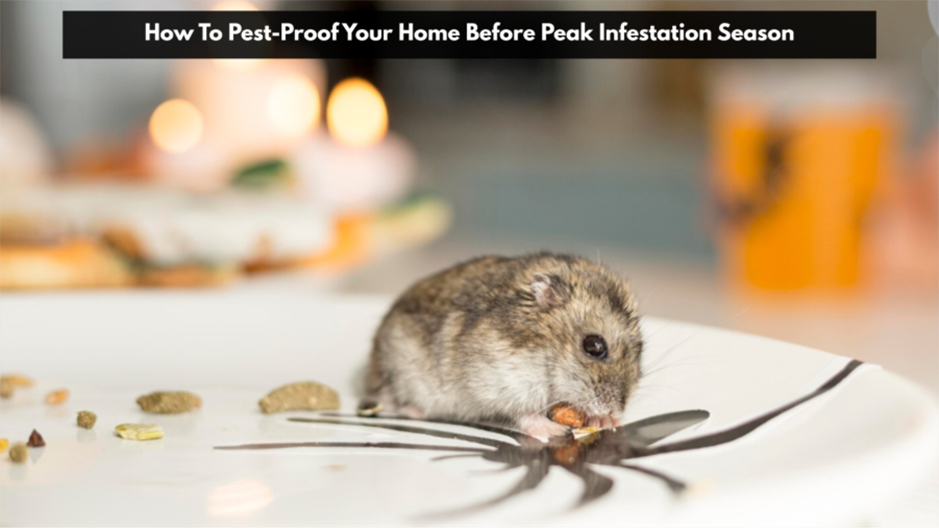
With the changing seasons and the rise in temperature, the pest activity increases significantly. Rodents, insects, and other undesirable invaders start looking for nourishment, water, and housing, and often these can be found on residential premises.
Unless the correct preparation is done, a small problem can easily escalate to a big problem. It is thus necessary to take preventive measures before the season of peak infestation.
Pest-proofing your house is a method to locate the weak points, close entry points, eliminate attractants, and keep the house and outdoors clean. Instead of responding to a problem once it has occurred, the homeowners can minimize risks through their strategic and consistent preventive actions.
With the help of the following practical steps and constant check-ups, you can build a high defensive line that keeps the pests away and protects your house from harm all year round.
1. Start with Professional Home Inspection

An in-depth inspection of the home is a prerequisite to good pest prevention. Local climatic conditions, seasonal changes in temperature, and neighboring landscapes frequently determine the activity of pests.
For example, in states such as Maryland, humid summers and changing weather patterns of the seasons provide good habitats to ants, rodents, termites, and mosquitoes. Due to these geographical factors, your house needs to be assessed, keeping local risks in mind, before sealing your cracks or applying your treatment.
This is why it is better to consult a local Maryland exterminator who could offer a more precise and place-specific evaluation of your place. Professionals understand the general patterns of pests that occur in the areas and can detect hidden entrances in the basement, crawl spaces, attics, and utility lines.
By addressing these vulnerabilities early, homeowners can prevent small infestations from becoming large during peak seasons.
2. Seal Exterior Entry Points and Gaps
After the issues are identified, the second thing that comes into place is to seal exterior entry points. The smallest cracks around the windows, doors, pipes, and vents can be used by pests. This is why it is important to check the exterior walls and foundation of your home and to find cracks, holes, or broken materials.
Besides, weather stripping and mending ripped window screens also provide extra protection. Sealing utility lines with caulk and strengthening door sweeps can be used to seal up the common access routes. These minor additions form a formidable physical obstacle that inhibits the entry of insects and rodents into the building.
Lastly, frequent maintenance is also crucial. The changing weather patterns can result in the expansion or contraction of materials, making new gaps. With regular inspection and sealing of such areas, you significantly reduce the chances of infestation before peak activity begins.
3. Eliminate Food, Water, and Shelter Attractants
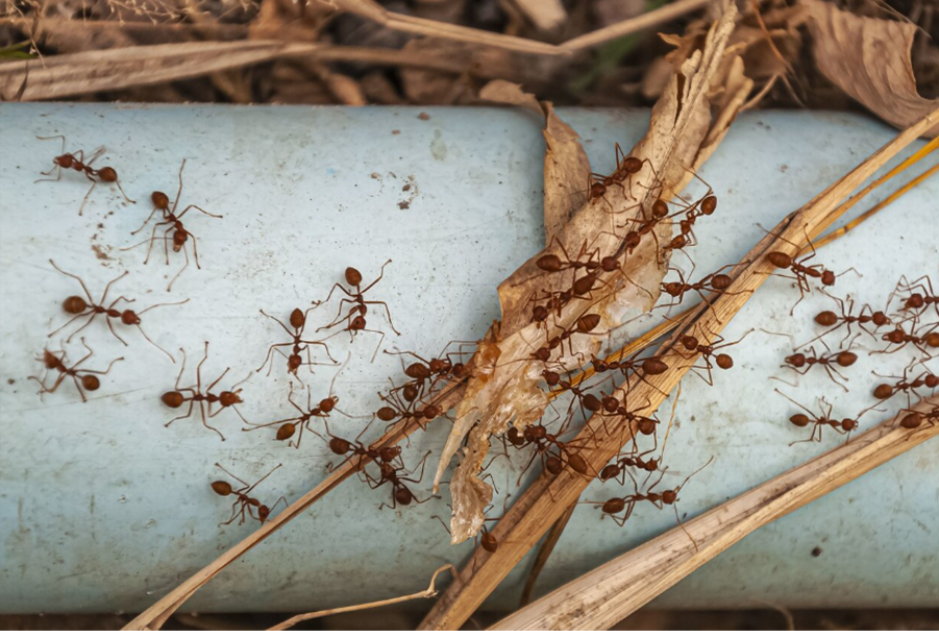
Although it is essential to close the entry points, it is equally important to remove attractants within the house. Pests are attracted to available food sources, and keeping dry products in airtight containers and regularly washing kitchen surfaces can help to make a difference. Timely disposal of waste and wiping of spills makes it impossible for insects to find food.
Meanwhile, moisture control is also an important element of pest prevention. This includes repairing dripping faucets, repairing leaking pipes, and ensuring proper drainage around sinks and appliances. Many pests thrive in damp environments, and thus, excess moisture should be minimized to discourage their expansion.
Additionally, the reduction of clutter reduces possible hiding and nesting places. Structured storage facilities and a clean environment eliminate the chance of rodents and insects finding shelter. Consequently, this makes your house much less welcoming to undesired intruders.
4. Maintain Your Yard and Perimeter
In addition to indoor precautions, outdoor maintenance is essential. Your yard often serves as the first line of defense against pests. Overgrown shrubs, tall grass, and accumulated debris create ideal habitats for insects and rodents before they move toward your home.
Therefore, trimming vegetation from exterior walls reduces easy access points. Keep tree branches from touching the roof, and remove leaf piles regularly. Storing firewood away from the house and elevating it off the ground further decreases the likelihood of pests nesting nearby.
Equally important, ensure proper drainage around the property. Standing water attracts mosquitoes and other insects, especially during warmer months. By maintaining a clean and well-managed perimeter, you significantly limit the chances of pests migrating indoors.
5. Implement Seasonal Treatment and Monitoring Plans
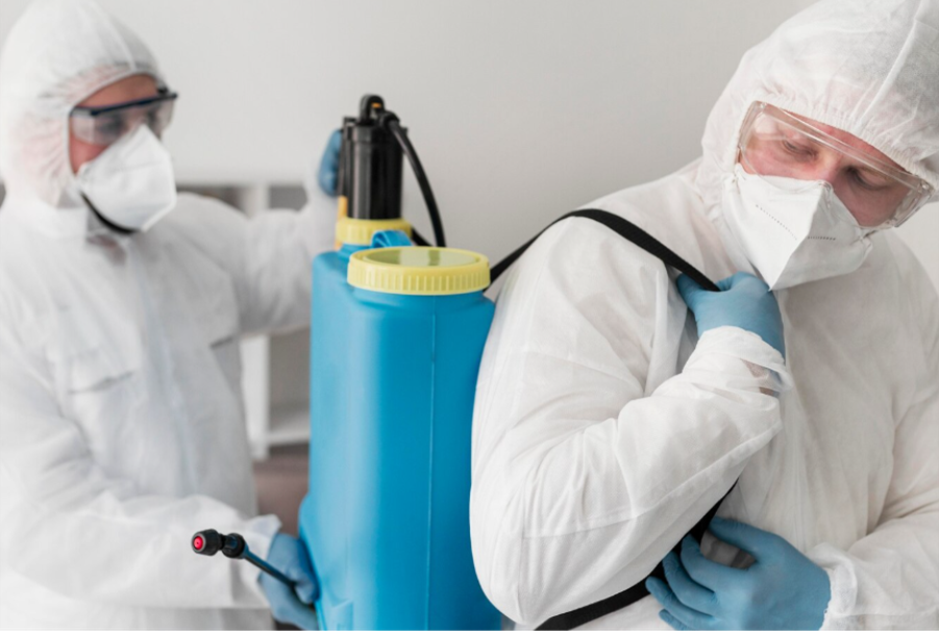
Even with preventive steps in place, ongoing monitoring remains vital. Pest activity often increases during specific seasons, depending on climate and regional conditions. Establishing a seasonal treatment schedule ensures that potential problems are addressed before they escalate.
For example, routine inspections can detect early signs of termites, rodents, or ant colonies. Professional monitoring programs often include preventive treatments tailored to common regional pests. This proactive approach reduces the need for emergency interventions later.
Ultimately, combining consistent inspections with preventive treatments provides long-term protection. By staying ahead of seasonal changes, homeowners can maintain control and minimize the risk of sudden infestations during peak periods.
Conclusion
Preparing your home before peak infestation season is a practical investment in long-term safety and comfort. When preventive measures are taken early, you reduce the likelihood of structural damage, contamination, and unexpected repair costs. More importantly, you create a healthier indoor environment for your family by minimizing exposure to disease-carrying pests and allergens.
Consistency is the key to lasting results. Regular evaluations and timely maintenance strengthen your home’s defenses year after year. By staying proactive rather than reactive, you maintain control, avoid unnecessary stress, and ensure your living space remains secure and protected in every season.