Boston Local Moving Companies: A Complete Guide for Choosing Reliable Movers
Last Updated on 24 January 2026
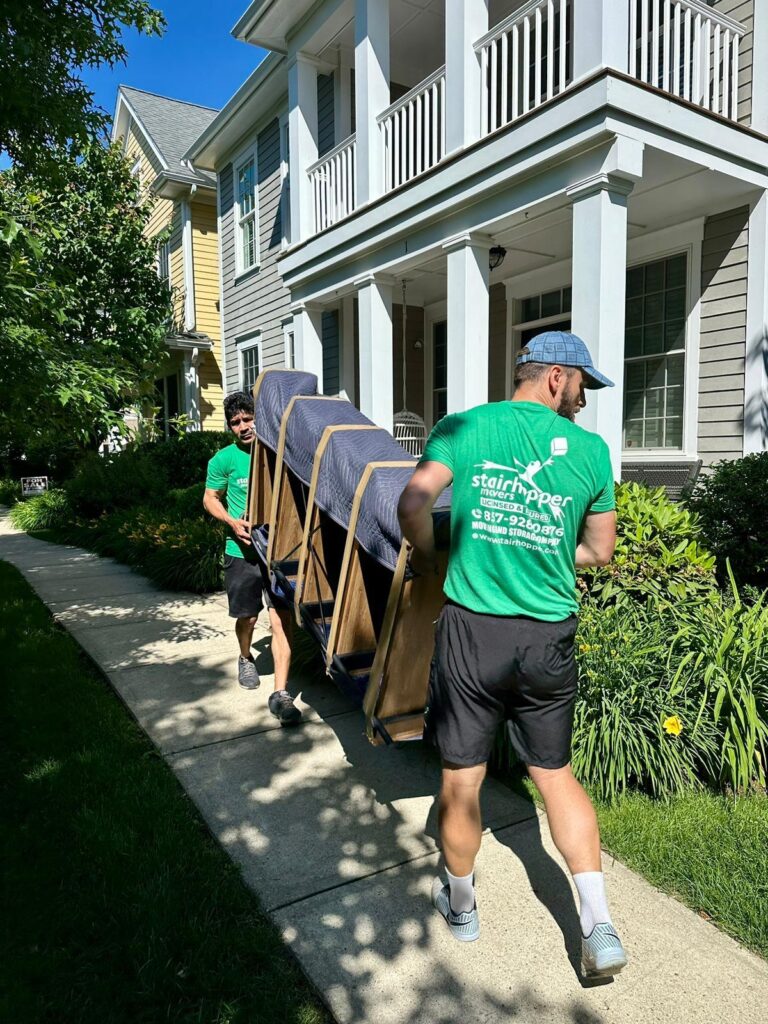
Boston looks compact on a map, but once you’re actually moving across the city, it rarely feels simple. Streets pinch down without warning, parking gets monitored, buildings are older, and move-in windows can feel like they were designed to stress you out. Even a short relocation can get tense fast if the plan is loose, the crew isn’t ready, or the pricing terms aren’t crystal clear.
Most people don’t need “moving hacks.” They need a process that stays predictable when everything else feels uncertain. That means understanding how movers build quotes, how time is tracked, what insurance really covers, and what decisions you should settle before a truck even arrives. The more clarity you set up front, the less moving day turns into a mess.
By the time you start comparing movers in Boston, you’re usually juggling lease deadlines, elevator reservations, building rules, and a calendar that refuses to cooperate. And once you’re in that situation, “good enough” gets expensive. A dependable mover isn’t the one who talks big about speed. It’s the one who removes problems before they show up. This guide breaks down what reliable local movers actually do, what you should ask before you book, and how to avoid the common mistakes that make Boston moves harder than they need to be.
What “Reliable” Actually Means in a Boston Local Move
Reliability isn’t a vibe or a marketing word. You notice it in the way a company communicates, the way they run their process, and the way they plan ahead instead of winging it on moving day. A reliable mover can explain how they schedule crews, what an arrival window really means, how they protect floors and walls, and how they handle items that need extra care. You don’t get fuzzy reassurance you get clear steps and clear policies.
In Boston, reliability also means knowing the city’s daily reality. A mover should already be thinking about stairs-only access, tight hallway turns, limited loading zones, and how parking can change the entire timeline. When a company plans for those details upfront, the move feels controlled. When they don’t, you end up paying for delays you didn’t create.
How Local Moves Differ From Long-Distance Moves
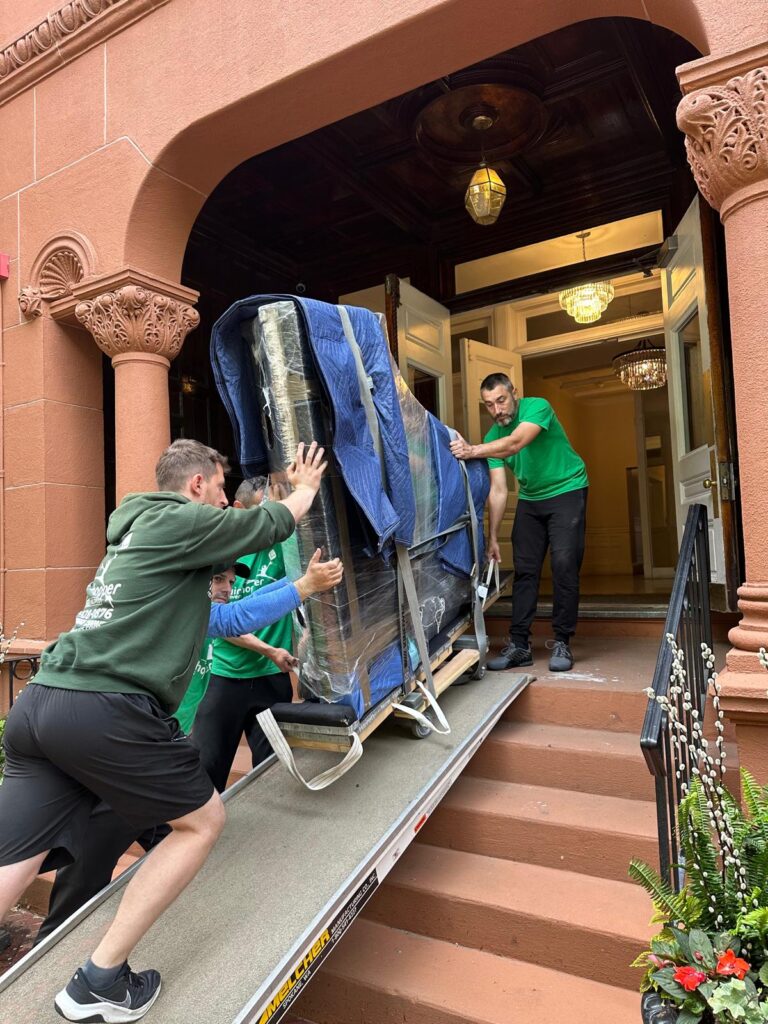
Local moves are priced and executed differently from long-distance moves, and that matters more than people realize. With long-distance relocations, the big variable is usually transportation and delivery windows. With local moves, the big variable is time-on-site how quickly and safely things can be moved out, loaded, transported, and set back up without damage or confusion.
Because the clock is usually running, your preparation and the crew’s efficiency become major cost drivers. Short distance doesn’t guarantee a short day. Tight staircases, multiple stops, disassembly needs, or sloppy packing can stretch the timeline fast. The best movers aren’t just strong they’re organized, methodical, and consistent.
The Biggest Factors That Make Boston Moves Harder Than Expected
Boston adds friction in ways people often don’t notice until moving day. Parking restrictions can force long car rides. Historic buildings can have narrow stairwells and sharp turns that don’t forgive mistakes. Condo associations may require certificates of insurance, scheduled move times, or protective coverings in common areas. These aren’t rare scenarios they’re normal in many neighborhoods.
When a mover is truly ready for Boston, they ask the right questions early. They’ll want to know about stairs, elevators, loading access, building rules, and the type of furniture involved. That isn’t them being difficult. That’s them preventing the kind of chaos that costs time, money, and patience.
Getting Estimates That Reflect Reality, Not Best-Case Assumptions
A good estimate should feel like a real conversation that narrows down unknowns. If the quote process feels rushed, the estimate is often optimistic. Reliable movers will ask about room count, bulky items, packing level, access conditions, and any special handling needs. That detail isn’t overkill it’s accuracy, and accuracy protects both sides.
Be careful with quotes that sound too clean and too cheap, especially when the company barely asks questions. If they don’t understand the job, they can’t price it responsibly. That’s how people end up with surprise fees, longer hours, or uncomfortable negotiations on moving day. A reliable estimate isn’t just a number it’s a shared expectation in writing.
Understanding Hourly Rates, Minimums, and “Hidden” Time
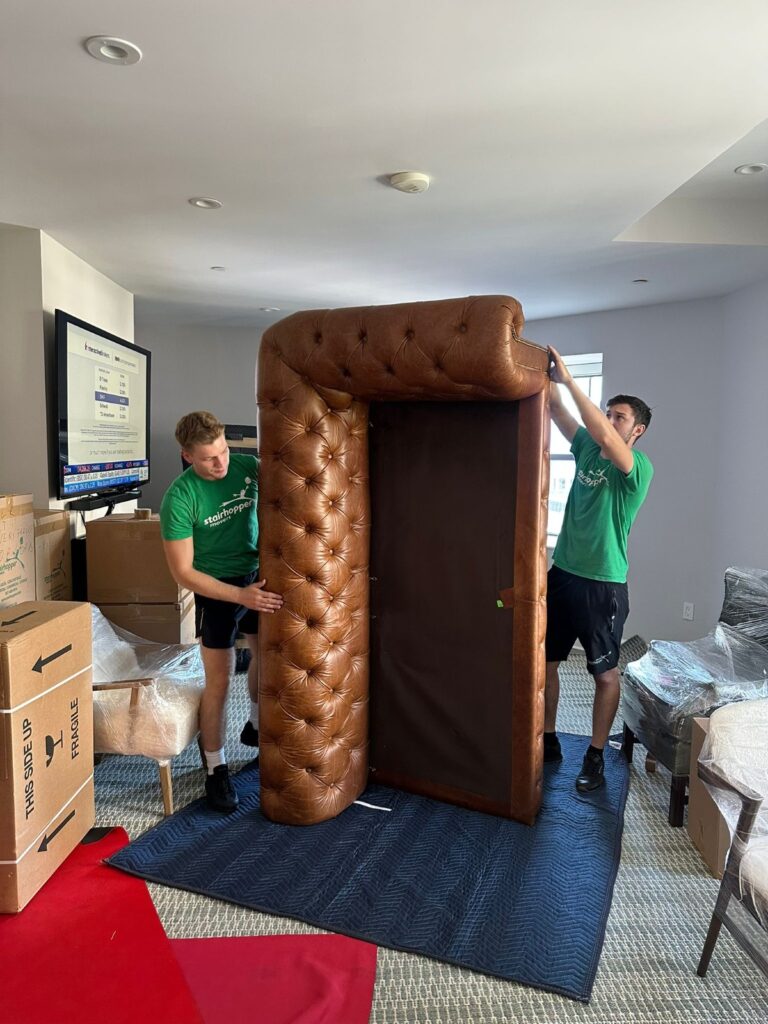
A lot of local moves are billed hourly, but hourly doesn’t automatically mean transparent. You need clear answers on minimum hours, how travel time is counted, whether there’s a fuel fee, and what triggers overtime. Some companies start the clock when the truck leaves their lot. Others start when they arrive at your door. Those details change your final cost.
A dependable mover explains how time is tracked and what affects it. They’ll also tell you what helps the move run faster sealed boxes, cleared furniture, open pathways, and a layout that doesn’t slow the crew down. When a mover stays vague about timing rules, it’s often because vagueness benefits them.
Contracts, Policies, and What You’re Agreeing To
A local moving contract should lay out the basics in plain language. Services, pricing structure, liability coverage, cancellation policies, and any conditions that change cost should be clearly defined. If a mover avoids written terms or treats paperwork like an inconvenience, that isn’t a “relaxed style.” That’s risk.
Reliable movers want alignment before the move starts, because they don’t want disputes on moving day either. Read the agreement like someone who’s protecting their time and money: if something goes wrong, what happens next? If policies feel open to interpretation, you’re the one left carrying that uncertainty.
Insurance and Liability without the Confusing Language
Insurance is where many customers get caught off guard, because default coverage can be limited. Movers may provide basic liability coverage and then offer optional valuation coverage for higher protection. The important part knows what’s included by default and what requires an upgrade, especially if you’re moving high-value items.
A reliable mover explains this clearly and early. They’ll tell you how claims work, what documentation is needed, and what the timeline usually looks like. That isn’t pessimistic it’s responsible. Movers who handle this topic cleanly tend to handle the rest of the move cleanly, too.
Crew Quality, Training, and Why It Shows in the First Hour
Most moves reveal their quality in the first hour. A trained crew arrives with a plan, protects floors and door frames, uses pads and dollies correctly, and communicates what’s happening next. They don’t rush unthinkingly. They work in a sequence that prevents bottlenecks and lowers the risk of damage.
Crew quality is also about consistency. Some companies have stable teams and training standards; others rely heavily on temporary labor. Temporary labor isn’t always bad, but inconsistency increases risk. Your goal isn’t just muscle it’s safe, efficient handling that doesn’t leave you with scratches, dents, or a stressful day you’ll remember for the wrong reasons.
Packing Standards That Reduce Damage and Reduce Time
Packing is where a lot of moves quietly break down. Overloaded boxes, unsealed tops, and unclear labels slow everything down and increase breakage risk. Fragile items need structure, not hope. Even if you pack yourself, pack like you’re helping the movers work efficiently and safely.
If you want packing help, make sure you understand what “packing service” actually includes. Some movers pack everything. Others only pack fragile items or kitchens. Clarify materials, timelines, and whether unpacking is included. Packing isn’t just convenience it affects speed, handling, and damage prevention directly.
Building Rules, Parking, and the Paperwork That Can Delay a Move
In many Boston buildings, the move isn’t just between you and the mover. Property managers may require reserved elevator time, specific access doors, hallway protection, and proof of insurance. If you find out late, the move can stall or become more expensive.
Parking creates the same kind of domino effect. If the truck can’t park close, the move becomes a long-carry job, which eats time quickly. A reliable mover raises these issues early, and you should take them seriously. The paperwork might feel boring, but it’s often what protects your schedule.
How to Compare Companies without Falling for “Cheap First, Expensive Later”
Comparing movers isn’t about collecting quotes and picking the lowest number. It’s about comparing clarity. Does the company define what’s included? Do they explain time rules? Do they ask detailed questions about access and inventory? Do they have a consistent process for confirming move-day logistics?
This is where Boston local moving companies separate in meaningful ways. Some use vague pricing to win the booking and adjust later. Others price more honestly upfront and run the move with fewer surprises. If you want reliability, prioritize the company that removes unknowns not the company that tells you what you want to hear.
What a Well-Run Moving Day Actually Looks Like
A well-run move feels structured. The crew arrives, confirms the plan, walks the space, and starts with a sequence that avoids congestion. Furniture gets protected before it moves, boxes are handled consistently, and the truck is loaded intentionally so unloading doesn’t become chaos later.
Communication matters all day. You should know what the crew needs from you, what timing looks like, and how changes will be handled if something shifts. Professionals don’t create drama. They create predictability. And predictability is what most people are really paying for.
After the Move, What to Check before the Crew Leaves
A lot of people notice issues only after the truck is gone. Before the crew leaves, walk the space and check the key areas walls, door frames, floors, stairwells. Confirm all items are accounted for and placed in the right rooms. If something feels off, it’s easier to address it immediately than days later.
Also, confirm final billing details and collect any paperwork you might need. If the move involved a building, confirm common areas are left clean and undamaged. A reliable mover won’t rush you through the final check. They’ll treat it as part of finishing the job properly.
The Second Use of Movers in Boston and the Reality of Modern Local Moving
As Movers in Boston deal with tighter building policies and more scheduling restrictions, reliability has become less about speed and more about process. The companies that last are the ones that plan, communicate, and execute consistently. “Fast” is nice, but “controlled” is what prevents stress and loss.
If you apply the standards in this article, you’ll filter out most risk early. You’ll also avoid the trap of hiring based only on price. In local moving, the cheap decision often becomes expensive when time stretches, damage happens, or policies appear late. Reliability isn’t an upgrade—it’s the baseline you should insist on.
Conclusion
A Boston local move goes better when it’s treated like a project, not a gamble. Reliable movers earn trust through clear estimates, documented policies, proper protection methods, and communication that removes uncertainty. When you evaluate companies based on process, preparedness, and accountability, you drastically improve your chances of a smooth relocation.
For people who want a dependable option built for Boston’s realities, Stairhopper Movers are worth considering. Their team is known for planning moves carefully, using trained handling methods, and keeping communication clear so clients aren’t left guessing on moving day. They focus on structure and execution, and many locals appreciate how their crew handles tight staircases, dense streets, and strict building requirements with practical, steady work.
FAQs
Q1. How early should I book a local mover in Boston?
Ans 1. Booking four to six weeks ahead is a smart baseline, especially in spring and summer. Boston’s schedule fills fast due to demand, building rules, and limited truck access in many areas. Early booking helps you secure a better time slot and leaves room for planning details like parking, elevator reservations, and documentation. Waiting too long often forces you into higher rates, fewer choices, or rushed decisions that increase stress.
Q2. Do I need parking permits for a moving truck in Boston?
Ans 2. In many neighborhoods, yes, you may need a permit or a reserved space. Some buildings and streets are strict about where a truck can stop and for how long. If the truck can’t park close, the move becomes a long-carry job and takes longer. Ask your mover what they recommend for your street and confirm who is responsible for securing any permits.
Q3. What makes a local move take longer than expected?
Ans 3. Stairs, narrow hallways, elevator delays, long carries, disassembly needs, and poor packing add time quickly. Another major factor is access: if parking is far, loading slows down. Labeling boxes, clearing pathways, and preparing furniture can reduce delays. A well-planned move is usually faster than a move where key decisions are made on the spot.
Q4. Is a cheaper hourly rate always better?
Ans 4. Not necessarily. A lower hourly rate can cost more if the crew is inefficient, understaffed, or unprepared. The total price depends on time, and time depends on planning and execution. Focus on how the company defines its timing rules, crew size, and what is included in the rate. Transparency and efficiency often beat a low rate with vague terms.
Q5. What should I ask before signing a moving agreement?
Ans 5. Ask how time is counted, what the minimum hours are, whether travel time is billed, and what triggers extra charges. Confirm liability coverage, cancellation policies, and how claims are handled. Also, ask what the company expects from you before moving day. A reliable mover answers clearly and does not treat these questions as an inconvenience.
Q6. What insurance should I expect from a local mover?
Ans 6. Many movers provide basic liability coverage, but it may be limited. Some offer additional valuation coverage for higher protection. You should understand what is included by default and what requires extra coverage, especially for expensive items. Also, ask how the claims process works and what documentation is required. Clear insurance explanations are often a sign of professional standards.
Q7. Should I pack everything myself or hire packing help?
Ans 7. If you have time and can pack carefully, self-packing can work. If you’re short on time or have many fragile items, packing help may reduce breakage and improve efficiency. The key is packing quality: sealed boxes, balanced weight, and clear labeling. If you hire packing, confirm what materials are included and whether unpacking support is available.
Q8. How do I spot red flags when hiring movers?
Ans 8. Be cautious if pricing is vague, documentation is missing, or the company pressures you to book immediately. Extremely low quotes that ignore access details often lead to surprise charges later. Also watch for unclear timing rules, refusal to discuss insurance and inconsistent answers across conversations. Reliability shows up in structure and transparency, not in promises.
Q9. What should I do on moving day to keep things smooth?
Ans 9. Be ready before the crew arrives. Keep boxes sealed and labeled, separate essentials, clear hallways, and protect fragile items that need special attention. Confirm parking and building access plans in advance. If you’re in a managed building, make sure elevator reservations and rules are handled. Small preparation steps often save significant time and cost.
Q10. What should I check before the movers leave?
Ans 10. Do a walkthrough and confirm that nothing is left behind. Check walls, floors, door frames, and stair areas for damage. Verify that items are placed in the correct rooms and that fragile pieces arrived safely. Review the final invoice and keep your paperwork. If something is wrong, it’s easier to address it immediately than after the crew has departed.