The $700M Trading Day That Put Kalshi Back in the Spotlight
Last Updated on 13 May 2026
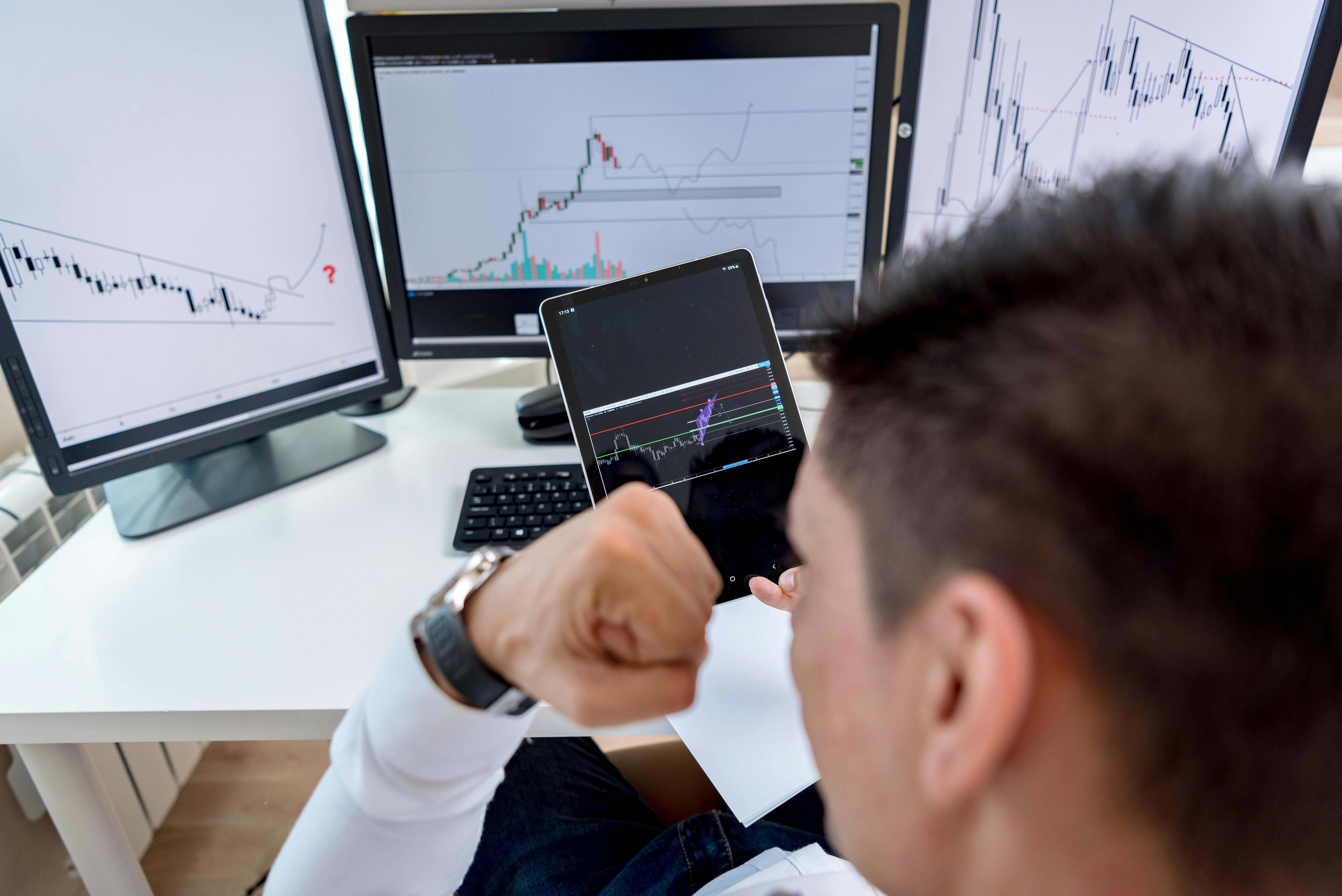
Prediction platforms exploded this spring as traders ditched traditional sentiment tools and embraced a more intense reality. Event-based contracts are shaking up ideas about what a market really is and how people hedge their risk.
January 12, 2026, felt like a weird blip in the financial world. People in the market were glued to their screens as a big geopolitical shock mixed with a domestic standoff, and somehow that turned all the chaos into quick cash. Prediction platforms didn’t just report the news; they priced it in real-time. Volume hit heights previously reserved for legacy stocks. Shrewd investors are ditching vague sentiment for concrete event contracts. Predicting a crisis is one thing. Betting your rent on it is quite another. It’s a high-stakes environment where intuition meets algorithmic precision. Retail investors are leading this charge.
Seven Hundred Million Dollar Rush
Chaos erupted across trading screens as South American instability rattled global confidence. Simultaneously, a standoff between the DOJ and the Federal Reserve created a perfect storm for speculation. The total industry volume hit $701.7 million on January 12. Kalshi grabbed a lion’s share of that action, processing $466 million.
Traders looking to capitalize on these swings often search Covers.com for the Kalshi sign up bonus which grants a $10 credit after a user deposits as little as $1, helping them test the platform with minimal personal risk. It’s a low-cost entry into a high-volatility arena. Betting on headlines feels different when the underlying asset is a world event. Analysts suggest that fateful January day marked a permanent pivot in retail behavior.
Retail players no longer wait for analyst reports to tell them what happened. They’re speedrunning the news cycle by putting money on outcomes before they’re finalized. Nothing about this day felt normal. Few traders realized they were witnessing the birth of a new financial era.
Strategic Plays For The Spring Season
Spring brings a fresh wave of events for those watching the economic outlook and federal court rulings. Joshua Howe, Content Manager at Covers.com, explains why it’s a good time to get involved: “The hottest markets on Kalshi in April 2026 range from pro sports playoffs, U.S. economy outlooks, questions on the upcoming administration, and much more. You can browse and place trades in the markets below today.” Sports aren’t the only thing you can trade on, but those are highly popular. Howe continues, “Among the popular markets trending on Kalshi this week: ‘Pro Basketball Champion’ with more than $118 million in trading volume. Oklahoma City Thunder currently sit as the favorite.”
Making psychological mistakes often trip up retail players. Separating personal political biases from the actual data on your screen is a difficult but vital habit. How can you expect to win if your heart is doing the math instead of your head? Analyzing cold hard stats is the only way to stay in the green.
Many first-time traders underestimate how quickly event contracts can swing in value after breaking news or unexpected statements from public officials. Thin liquidity in smaller markets may also lead to wider spreads and sudden price jumps that make exits difficult. Experienced users often limit position sizes and avoid emotionally driven trades, especially during politically charged events where public sentiment can overpower rational analysis for short periods.
For newcomers, prediction markets operate through contracts that usually settle at $1 if an event happens and $0 if it does not. Traders buy and sell positions based on perceived probability. For example, if a contract trades at 64 cents, the market is effectively estimating a 64% chance of that outcome occurring. Prices constantly shift as new information enters the market.
Upcoming markets for May include several high-stakes questions:
- The Federal Reserve’s interest rate decision on May 14.
- Total viewership numbers for upcoming blockbuster movie premieres.
- The likelihood of a debt ceiling resolution before the June deadline.
Red Tape Versus Real Trades
Winning a substantial victory in the U.S. Court of Appeals for the Third Circuit, Kalshi secured a ruling that classifies their contracts as federally regulated swaps, a move that provides a robust shield against state-level regulators, while placing them firmly under CFTC oversight, creating a clear legal pathway for transparent, designated contract markets.
While New Jersey has opened its doors to these markets, states like Connecticut and Illinois are still locked in litigation. National Law Review notes that the CFTC is currently suing three states to prevent them from interfering with these federally authorized exchanges. Legal battles continue to define the boundaries of where you can and cannot trade. Factual data shows the exchange operates under strict transparency rules. Kalshi sign up bonus acts as an entry point for people in legal states. Participation relies on understanding these complex jurisdictional lines. Federal authorization gives a level of legitimacy that offshore sites simply can’t match.
Critics of prediction markets argue that highly speculative event contracts could encourage excessive short-term trading behavior, particularly among inexperienced retail users. Some regulators have also raised concerns about the potential for political or news-driven contracts to create heightened volatility during sensitive national events.
Why Swap Classification Matters
Classifying these contracts as swaps forces the exchange to maintain a strict one-to-one ratio of funds. Every “Yes” position is perfectly balanced by a “No” contract, ensuring that the house avoids taking the other side of your bet. Is the house really ever on your side in any other market? Accountability comes from these rigid clearinghouse rules.
Luck still plays a part that no amount of data can really get rid of. Regulated exchanges are like your typical financial markets, but surprise events can mess up even the best analysis. Any experienced trader knows you can’t ignore the background noise. It’s impossible to perfectly predict every unexpected event.
Sticking to the actual data can help reduce some risk. Swaps are a decent way to protect against specific scenarios. While federal oversight adds some safety, personal responsibility is the ultimate safety net. There’s no guarantee when you’re betting on the unpredictable twists of global politics.
Factual Data Behind Exchange Growth
Data from Covers shows that the “Pro Basketball Champion” market pulled in a whopping $118 million during the last week of April. The money flowing in from sports betting shows just how popular these platforms have become. Research from the National Law Review points out that state-level issues in places like Ohio and Maryland haven’t really slowed things down. Kalshi now has 3.8 million active users, despite those local bumps in the road.
According to publicly discussed market data and industry reporting throughout early 2026, trading activity accelerated significantly following several major geopolitical and macroeconomic events that pushed retail participation higher.
The growth keeps rolling because people just can’t get enough information. Betting on basketball results or interest rates really helps meet the need for some certainty in a pretty unpredictable world. Not all contracts end in the green. Risk management remains the core of any successful strategy.
Data-driven decisions are replacing gut feelings. Millions are joining the scene because they want a piece of the information gold rush. Momentum won’t slow down. It’s only getting started.
Prediction markets are no longer operating on the fringe of finance. Platforms like Kalshi are becoming part of a broader shift toward real-time, event-driven speculation where information itself becomes the tradable asset. Supporters view these exchanges as efficient forecasting tools, while critics warn that volatility and emotional trading can distort rational pricing. Either way, the rapid rise in volume suggests that prediction-based trading is becoming a permanent part of the modern financial landscape.