How Can Residents Near The Coast Protect Their Homes From Moisture-Driven Pest Issues?
Last Updated on 15 April 2026

The coastal climate appeals for its year-round warmth and clean air quality. Unlike polluted inland urban environments, coastal residents enjoy fresh oxygen that’s free from allergens like dust and bacteria.
Coastal homes also receive more sunlight exposure, enhancing vitamin D production for robust bone health. Besides, the surreal beauty of pristine waters and rhythmic sounds of the sea waves can lower stress levels and improve sleep quality.
However, the warm and humid coastal climate also provides a breeding ground for pests. Residents must implement certain strategies to keep their homes pest-free.
Here are the various ways to prevent moisture-driven pests from invading your coastal home.
Are Pests Moisture-Driven?
Pests invade our living spaces searching for three fundamental needs – food, water, and shelter. But unknown to many homeowners, most critters are moisture-loving too.
A 2022 study found that warm, humid conditions support pest activity and growth.
High relative humidity (RH) optimizes insect metabolism. It also shortens life cycles and extends survival rates, a combination necessary for a rapid infestation.
Coastal cities like San Diego offer warm, pleasant weather all year round. While those properties appeal to comfort-seeking homeowners, they also attract moisture-loving critters.
Contracting top-rated pest control in San Diego is the best way to cushion your home against notorious coastal pests. Naturally, you’d want a local exterminator who understands the city’s ecosystem and pest regulations.
Working with nearby providers also streamlines scheduling and eliminates transport-related markups. Besides, you get recommendations customized for your specific pest problem.

Ways to Protect Coastal Properties From Moisture-Driven Pests
1. Insulate Crawl Spaces
Crawl spaces provide an ideal hiding spot for pests.
As coastal soil can be persistently damp, insulating crawl spaces may lower humidity levels in your home and keep moisture-loving pests out.
A professional pest exterminator will apply thick vapor barriers on your dirt floors to seal off underground moisture. This strategy is notably effective against carpenter ants and termites, which thrive in damp and loose soils.
2. Seal Wall Cracks
Wall crevices provide an easy pathway for pests into your house. Smaller critters like bedbugs and cockroaches will effortlessly slip through cracks and invade your indoor space. If the openings are large enough, you could be dealing with larger vermin like rodents and snakes.
Wall cracks can also throw your home’s humidity off balance. Therefore, sealing them lets you fill two needs with one deed.
Use a professional-grade weather-resistant caulk to repair all wall cracks. Since coastal homes are susceptible to salt-aided degradation, prioritize anti-rust caulking materials.
Remember to also seal gaps in foundations and around door and window openings.
3. Improve Ventilation
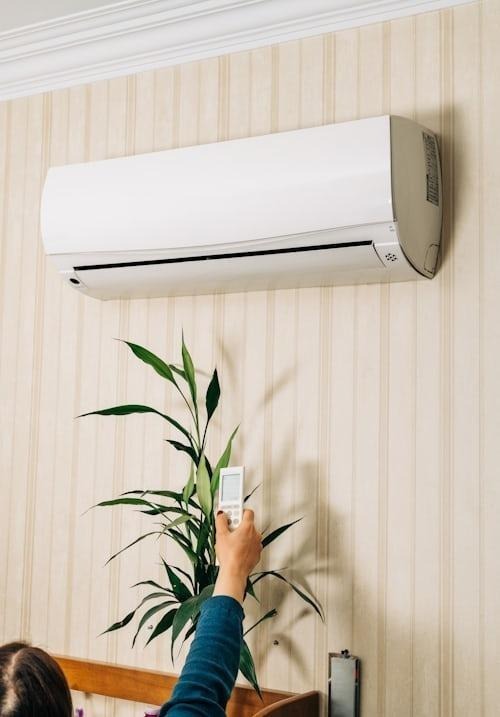
Efficient ventilation not only improves indoor air quality. It’s also a proactive way to repel moisture-loving pests from your coastal property.
Introduce indoor fans to regulate ambient humidity. Besides lowering moisture levels, fans may also deter smaller insects like mosquitoes and flies.
The rotating wind produced by running fans prevents weak-flying pests from taking off or landing to feed. And for skittish critters like rats, the gentle humming sound can be too unsettling. Migration is often the only solution.
You can also improve ventilation by installing additional vents in the subfloor or roof spaces. This ensures constant airflow, keeping indoor humidity in check.
4. Declutter
A cluttered home is every pest’s paradise. Most critters, from tiny bedbugs to large serpents, will readily seek cover under huge books and laundry piles.
Cluttered spaces also tend to retain more moisture – a double tragedy for coastal residents.
For effective deterrence, eliminate unused household items. Old newspapers, obsolete magazines, wood piles, and outgrown clothes are safer in tightly sealed trash cans.
Proceed outdoors and dispose of stacked logs. Unless you frequently use your outdoor fire pit, only stock firewood that you can use up within a few days. And speaking of the outdoors, mow the lawn frequently and dispose of the debris immediately.
5. Insist On Moisture-Resistant Building Materials
Persistent moisture can draw pests and mold into your home, impacting indoor air quality. Whether you’re constructing a new home or renovating your current property, insist on moisture-resistant building materials.
Choose polyvinyl chloride (PVC) trim instead of wood. Besides its incredible moisture-repelling attributes, PVC is also exceptionally durable.
Consider waterproof cement as well, especially on the siding and façade. For metallic sheets, such as those used in roofing and door constructions, prioritize durable options like aluminum.
Aluminum doesn’t rust, making it an excellent pick for the high-saline and moisture-dense coastal environment. It also doesn’t corrode like most metals do, instead forming a self-healing oxide that extends its longevity. Coupled with its superior strength-to-weight ratio, it’s understandable why aluminum is the preeminent choice for modern house construction.

Keeping Your Coastal Home Pest-free With Proactive Moisture Remediation
Living in a coastal city offers plenty of health, wellness, and recreational benefits. However, you must be intentional about moisture control to prevent pests from invading your property.
Remember that most pests are moisture-driven. Under the ideal humidity, these vermin will swarm your home and breed prolifically, causing untold property damage and spreading deadly diseases.
Implementing the above pointers can keep your coastal property pest-free, fostering a safe and comfortable living space.
As a parting shot, insist on working with a professional pest control company. Seasoned exterminators will conduct extensive property inspections and recommend the most effective interventions.
Select a pest control technician with a proven record of treating coastal properties. Especially seek out local exterminators, due to benefits like swift turnaround, flexible scheduling, competitive fees, and tailored solutions.