Why Scheduled Lawn Care Matters For Yard Maintenance
Last Updated on 26 March 2026
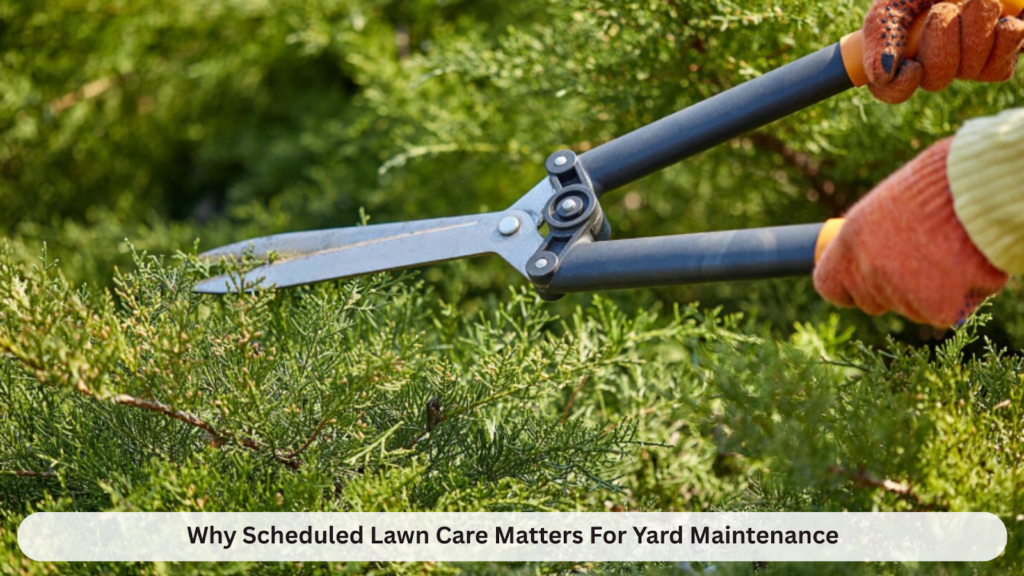
A beautiful lawn does not happen by accident. Behind every lush, green yard is a consistent and well-planned maintenance routine. Many homeowners underestimate the value of scheduled lawn care, often waiting until their grass looks overgrown or unhealthy before taking action.
This is, however, the main reason why scheduled lawn care is important. Many people who only think of it when the problem is already obvious often end up with future problems. Scheduled lawn care is important since it ensures your lawn is well-maintained at the right time.
From mowing and fertilizing to monitoring soil conditions and controlling weeds, routine care keeps your lawn strong and vibrant throughout the year. Just like any other living condition, the grass growing on your lawn has to be well taken care of.
When lawn maintenance becomes part of a regular schedule rather than an occasional task, the results are noticeable. Here are some reasons why scheduled lawn care is important for your yard maintenance.
1. Promotes Consistent Grass Growth

Lawn maintenance is an important aspect of ensuring that the grass grows in the right manner. Grass grows well when it is cut and maintained on a regular basis. When the grass is cut on a regular basis, it promotes the growth of thicker grass. This is important because it prevents the growth of patches on the lawn.
Regular mowing also ensures that the grass is not cut too low or too high. Cutting grass too low makes it weak and allows sunlight to reach the soil. This can cause the growth of weeds. On the other hand, grass that is too high can cause stress to the grass.
This is why many homeowners rely on recurring lawn care services to maintain a consistent mowing schedule and keep their lawns healthy and well-balanced.
2. Prevents Weed Overgrowth
Weeds are one of the biggest challenges that people face when maintaining lawns. If not well taken care of, the lawns will be overgrown with weeds, which will compete with the grass for water, sunlight, and nutrients.
Lawn maintenance schedules are essential to ensure that weeds are kept under control before they become a major problem. Routine mowing prevents many weeds from producing seeds, which limits their ability to spread across the yard.
Moreover, regular check-ups of the lawns will help the owners to identify the presence of weeds at an early stage, hence preventing them from overgrowing. With scheduled lawn maintenance, the grass will be healthy and dense. The dense growth of the grass will ensure that there are no weeds on the lawns since the weeds will not be able to get enough space to thrive.
3. Maintains Proper Nutrient Levels
Grass needs a constant supply of nutrients to keep it healthy and thriving. Over the years, the soil tends to lose vital nutrients due to weather patterns, mowing, and natural plant growth. A lawn care schedule ensures that these nutrients are replenished at the correct time.
Fertilizing the lawn at regular intervals ensures that the grass receives vital nutrients like nitrogen, phosphorus, and potassium. These nutrients promote healthy root development, color, and resistance to environmental factors. Fertilizing the lawn randomly or sporadically can cause an imbalance of these nutrients, making the lawn weak.
4. Reduces Pest Infestations
Pest infestations can also cause damage to lawns, especially when they are not well-controlled. For instance, insects like grubs, chinch bugs, and other lawn pests can cause damage to lawns by consuming grass roots and blades. This can cause dead spots in the lawn. When not well controlled, lawn pests can easily spread and infest the entire lawn.
That said, scheduled lawn care helps reduce the risk of pest infestations by keeping the lawn healthy and well-maintained. Healthy grass can resist pest infestations, unlike weak or unhealthy grass.
5. Improves Soil Health
Soil health is the basis of a healthy lawn. Grass roots depend on well-balanced soil conditions to absorb water, oxygen, and nutrients properly. Scheduled lawn care includes practices that support long-term soil health.
For example, aeration is usually done in seasonal timings to relieve soil compaction and ensure free flow of air around the roots. Growth of grass roots is limited in compacted soil, with limited access to necessary nutrients. Aeration opens up the soil to create an environment that is conducive to root growth.
Regular lawn care may also include: addition of organic matter, soil amendments that improve soil structure. These practices ensure that the soil retains adequate moisture without compromising proper drainage.
Final Thoughts
Scheduled lawn care is a must for a healthy and attractive yard. A maintenance program ensures that the grass is sturdy and consistent throughout the year and does not wait for lawn issues to appear before intervening.
Regular mowing helps in maintaining even growth, and timely seizing of emerging weeds ensures the absence of unwanted species in the lawn. Scheduled fertilization provides for a lawn the nutrients that are necessary for its health and vibrancy.
Besides, scheduled maintenance enables a homeowner to correctly detect a problem in its infancy, minimize pest insects’ activity, and maintain healthy soil conditions. These contribute to a lawn that will not only be beautiful to look at, but will also be able to survive in the changing weather conditions.
Scheduling maintenance services also detects problems early on, limits pest activity, and ensures nutrient-rich soil, all of which contribute to a generally beautiful and resilient lawn.