New Mobile Innovations Redefine Poker Experiences in Asia
Last Updated on 9 February 2026
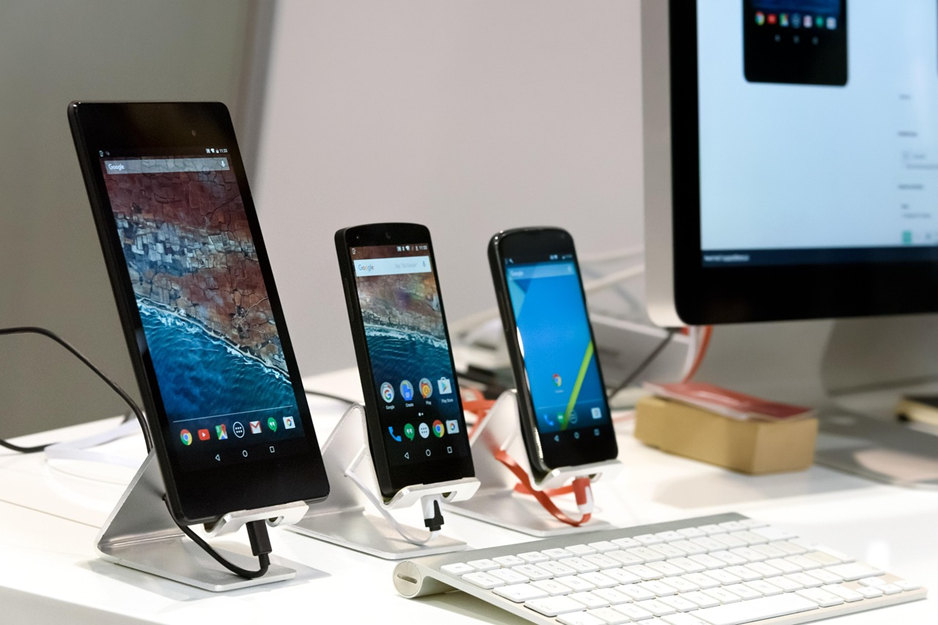
Across Asia, its landscape has shifted considerably, and it’s mostly down to what’s happening on mobile. Not so long ago, casual card games and large tournament events ran on parallel tracks, but now, mobile platforms act as the main bridge. The latest figures from late 2023, cited by Artoon Solutions, show that over 82 percent of gaming sessions are happening on phones or tablets, not desktop computers. Developers seem to have caught on.
They’re focusing on features like flexible table selection, smarter in-game navigation, and social options designed for quick access. All these changes are woven into a much bigger trend, connecting regional digital habits with live events running from the Philippines through Korea and back again. With each passing year, mobile apps seem less like a side door and more like the heart of competitive play for Asian fans.
Key Mobile Technologies Transforming Engagement
AI-powered software sits right in the thick of things these days, making a real difference for people who want smoother, less cluttered experiences. Developers keep mobile at the center of their plans, touchscreen controls come first, not as an afterthought. Gameplay now relies on touchscreen gestures and simplified controls, adaptable layouts and streamlined menus help keep navigation clear, even on smaller screens.
According to industry research, mobile versions of poker platforms now rank among the highest-rated apps, often recording scores above 4.5 out of 5 stars in regional app stores. Meanwhile, artificial intelligence steps in with guidance tools, auto-adjusted difficulty, and in-game data designed to support usability. Another layer, more apps are rolling out blockchain-based features to help with safe and transparent chip transfers, something users have started to look for when security and fairness come up.
Social features, formats, and flexible access
Social tools inside these apps have stretched far beyond simple chats. Daily friend challenges, active leaderboards, and multi-table play are standard, not special add-ons. For those who like to play across borders, quick currency conversions and accelerated seat matching smooth out the process.
The presence of both free-play tables and paid formats allow users to choose between practice-oriented and competitive modes, with scheduled virtual currency replenishment and skill-based rankings that lend each mobile session a bit of structure. High participation rates indicate a broader shift toward mobile-based access and anywhere-anytime flexibility, rather than sticking with a desktop or traveling to brick-and-mortar rooms.
Asia’s Live Tournament Integration and Mobile Support
Live tournaments in Asia have turned into something of a moving target, and mobile technology is keeping up with the pace. The event circuit for 2026 looks dense, with stops noted in Jeju, Incheon, Taipei, Manila, and Vietnam, each city hosting its own blend of qualifiers and main events. Apps now act as gateways, letting players snag an entry, win online satellite tournaments, or claim seat packages, all without standing in line or dealing with tedious paperwork. Through in-app satellites, both less experienced and seasoned players can access qualification pathways to larger tournaments, reducing some of the logistical barriers associated with travel that once filtered out all but the most local contenders.
Money management has gotten easier too. Built-in conversion tools mean a player toggling among KRW, PHP, TWD, or VND is now just a tap away from knowing buy-in equivalents, or dividing up a prize pool at the end of an extended session. Automated updates keep everyone on schedule, whether that’s a reminder for a seat draw or just a heads-up about travel and logistics. And hybrid events, where you hop between digital qualifiers and physical tables, have become the new normal for Asia’s crowd.
Community Features and Regional Preferences
Diversity stands out across Asian communities, especially when it comes to mobile play. In India, mobile apps draw praise for supporting different game types, like Omaha, Stud, and traditional Hold’em, all wrapped in user interfaces that adapt to regional customs and include localized artwork. Scheduling also matters, tournaments often line up with local peak playing times, keeping engagement steady. Star ratings from half a million or more reviews frequently land above 4.5, often cited as an indicator of sustained user engagement.
People aren’t just looking to win a hand, either. Community forums, instant chat, and weekly group challenges bring players together between rounds. AI training tools and detailed personal stats are helping casual users sharpen their skills or move up to more competitive play. These overlapping features keep the apps lively, blurring the lines between solo practice, socializing, and serious competition.
Responsible Gaming and Digital Wellbeing
All of this access brings its share of responsibility, and leading mobile platforms haven’t ignored that. Built-in safeguards, like customizable time limits, session tracking, and full self-exclusion options, help players stay mindful about how much they’re playing. In-app resources about healthy play, now widely available in major Asian languages, encourage informed choices rather than just unchecked engagement.
As software grows smarter and more personalized, so do expectations around safety tools and transparent reporting. The drive to protect users isn’t an afterthought, it’s shaping the future of digital just as much as any flashy new app feature.