Nasolabial Fold Filler: Learn More about Procedures & Benefits
Last Updated on 20 December 2025
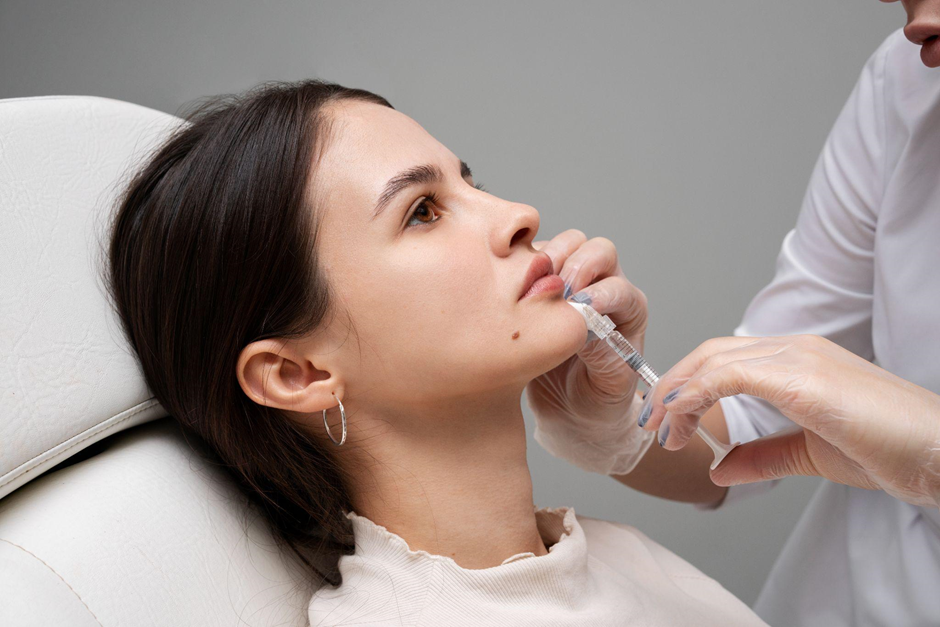
The lines that run from the nose to the corners of the mouth, known as nasolabial folds, are a natural part of facial anatomy. While they may be affectionately called “smile lines,” their increasing prominence over time can affect how we feel about our appearance. Factors like aging, sun exposure, and lifestyle choices can deepen these lines, leading many to seek effective and non-invasive solutions.
Nasolabial fold filler offers a promising way to restore volume, smooth out wrinkles, and revitalize your look. This guide provides a comprehensive overview of what nasolabial folds are, the benefits and process of using fillers to treat them, and how to ensure your results are both beautiful and lasting.
List of contents
H2 : Understanding Nasolabial Fold Fillers
H2 : The Nasolabial Fold Filler Procedure
H2 : Benefits of Nasolabial Fold Fillers
H2 : Potential Risks and Side Effects
H2 : Underlying Causes of Nasolabial Folds
H2 : Restore Your Facial Harmony with Nasolabial Fold Filler
Understanding Nasolabial Fold Fillers
Nasolabial fold fillers are specialized treatments designed to address the wrinkles that stretch from the bottom of the nose to the corners of the mouth, commonly referred to as nasolabial folds.
These fillers work by restoring volume to the skin and smoothing out these natural lines, which can become more pronounced with age, lifestyle factors, and decreased collagen production. Addressing nasolabial folds is crucial in aesthetic treatments as these areas can significantly affect facial appearance, potentially impacting self-esteem and overall emotional well-being.
Underlying Causes of Nasolabial Folds
Nasolabial folds are common wrinkles that develop alongside the inner cheeks, extending from the bottom of the nose to the corners of the mouth. The causes of nasolabial folds include several factors:
- Aging: As individuals age, they experience a natural decline in collagen production, resulting in less firm and supple skin. This process deepens nasolabial folds, as cheeks may flatten over time, causing skin to droop and accentuate the folds.
- Collagen Loss: The reduction of collagen, a protein crucial for maintaining skin fullness and elasticity, leads to more pronounced nasolabial folds.
- Sun Exposure: Chronic exposure to sunlight accelerates skin aging through the breakdown of collagen and elastin, making nasolabial folds more noticeable. Daily sunscreen use can mitigate this effect.
- Weight Fluctuations: Significant weight changes affect facial volume, increasing fold visibility.
- Sleeping Positions: Consistently sleeping on one’s side can contribute to deeper facial lines.
- Smoking: This habit accelerates the breakdown of collagen and elastin, promoting wrinkle development, including nasolabial folds.
Addressing these factors—such as controlling sun exposure, maintaining stable weight, avoiding smoking, and considering skin treatments—can help manage the appearance of nasolabial folds.
The Nasolabial Fold Filler Procedure
The nasolabial fold filler procedure typically involves several key steps. First, a thorough consultation with a medical professional assesses the individual’s unique skin condition and aesthetic goals.
During the injection phase, the filler—often hyaluronic acid—is carefully administered into targeted areas. The entire procedure usually takes less than an hour, and most patients can return to their daily activities shortly thereafter.
Post-Procedure Care
Proper aftercare is key to making sure your nasolabial fold fillers last and give you the best possible results. The most effective strategy is to aim for subtle, natural enhancements instead of major changes, which is what fillers are designed for.
For long-lasting results, regular maintenance is essential. Schedule follow-up appointments for touch-ups as soon as you see the effects starting to fade. To minimize risks and get personalized advice, always work with a medical professional. Staying on top of your treatment plan will help you maintain the look you desire.
Benefits of Nasolabial Fold Fillers
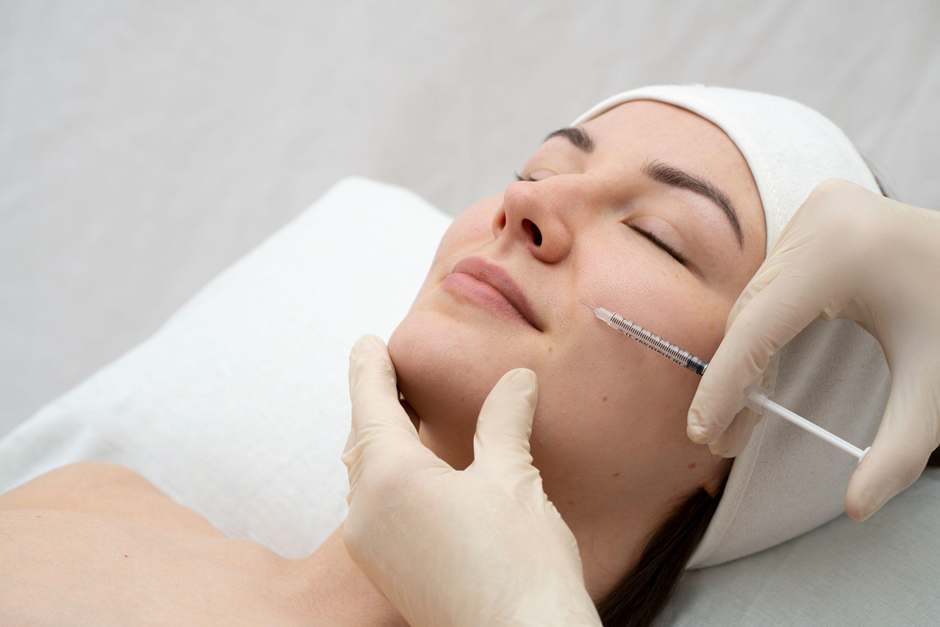
The benefits of nasolabial fold fillers are multifaceted. Primarily, these fillers provide immediate aesthetic improvements, enhancing facial volume and delivering a youthful appearance. They are non-invasive alternatives to surgical procedures, offering minimal downtime while still producing significant emotional and self-confidence boosts.
Other advantages include the stimulation of collagen production, resulting in longer-lasting effects, and the satisfaction of immediate results without the need for extensive recovery periods. Overall, nasolabial fold fillers present a valuable option for those seeking to rejuvenate their appearance effectively.
Potential Risks and Side Effects
Choosing to get dermal fillers is a personal decision, and understanding the potential risks is an important part of the process. While these procedures are considered safe, there are some common side effects you should be aware of.
- Injection Site Reactions: After the treatment, you may notice needle marks or redness at the injection sites. These typically fade within 1-3 days, and the injection sites themselves usually close up within 4-6 hours.
- Swelling and Discomfort: It’s common to experience swelling, soreness, and a feeling of tightness. These side effects generally resolve within 5-7 days.
- Bruising: The most visible side effect is often bruising, which may take 1-2 weeks to completely disappear.
Restore Your Facial Harmony with Nasolabial Fold Filler
Nasolabial fold fillers present a promising, non-invasive solution for rejuvenating facial appearance by targeting wrinkles that stretch from the nose to the mouth. Utilizing hyaluronic acid, these treatments restore volume and stimulate collagen production, offering immediate aesthetic benefits with minimal downtime.
From consultations with licensed doctors to careful post-procedure care, patients can enjoy enhanced self-confidence. However, understanding potential side effects, such as bruising or allergic reactions, and consulting with qualified practitioners to ensure safe and effective results is vital.