5 Poker Versions That Offer Different Styles of Play
Last Updated on 8 December 2025
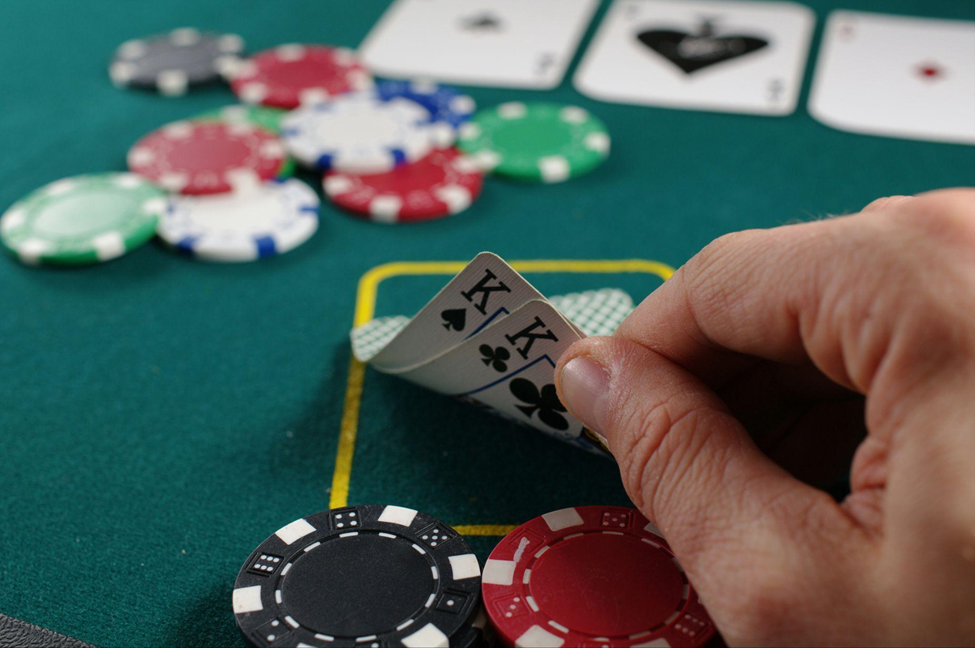
Poker branches into several formats, each shaped by a different set of rules. These changes alter how players judge hands, when they place chips forward, and how the outcome forms. Some versions use shared cards, some remove them entirely, and some change the deck to alter the odds.
This guide explains five of the most distinct poker types, starting with Texas Hold’em and moving through formats that differ in structure, card distribution, and hand value.
Texas Hold’em
Hold’em game rules remain the most recognized poker format. The game’s rise stemmed from its clear structure, steady pacing, and ability to generate tension without overwhelming new players. That organised feel stays the same in live play and online versions, where the setup stays consistent from one round to the next. One small advantage of digital tables is the clear display of chip counts and betting options, which keeps the round easy to follow.
Hold’em works in clear stages. The flop changes the hand at once, the turn narrows the options, and the river gives the final result. Players see fewer strong hands here than in some other versions, so timing and position matter more.
Seven-Card Stud
Seven-Card Stud uses no shared cards. Each player receives a series of face-down and face-up cards during the hand. The visible cards change how players judge the round because everyone can see part of each opponent’s position.
Stud requires clear memory. Players must track which high cards have already appeared and which suits no longer threaten a flush. The face-up cards shape decisions on each street, and the pace encourages slow, measured choices. The absence of shared cards also reduces guesswork. Each player works within their own distribution rather than a common board.
This version suits those who favour steady logic. Stud does not rely on explosive turns or aggressive all-in play. Instead, it focuses on observation, card removal, and consistent pattern recognition across several betting rounds.
Omaha
Omaha keeps the shared-card layout of other community-card variants but changes the puzzle significantly. Each player receives four hole cards and must use exactly two of them with three shared cards. That rule alone alters how players read the board, value draws, and size pots. In Omaha, strong hands and draws appear far more frequently than in simpler poker variants, which leads to heavier betting and bigger pots.
The roots of poker trace back to early American gambling, particularly on the Mississippi River in the 19th century. The game spread along riverboats and New Orleans gambling houses before evolving into the many versions we know today.
With these origins in mind, Omaha emerges as a modern evolution: it retains shared community cards and betting structure, yet pushes the complexity and potential of each hand far beyond that early riverboat poker. Players who enjoy more action, varied holdings, and the challenge of strong draws often prefer this format.
Razz
Razz reverses the aim of traditional poker. Instead of chasing the best five-card high hand, players chase the lowest. Aces count low, and straights and flushes do not work against the hand, which makes A-2-3-4-5 the ideal result. The structure mirrors Seven-Card Stud, but the evaluation method changes entirely.
Razz forces a different mental approach. Hands that appear weak in Hold’em become premium holdings here, while high cards become liabilities. Each player receives several face-up cards, and the table can see which low cards are live and which ones have already appeared. This shapes a clearer view of which hands remain viable, and the format demands precision because a single high card can ruin an otherwise strong drawing hand. Razz suits players who prefer direct, rule-driven evaluation rather than fast swings or dramatic pressure.
Its ranking system sets it apart from high-hand variants, and it also tests a player’s mental steadiness. In player-mindset discussions, it is often encouraged that players have a clear plan since those who stay steady tend to perform better.
Short Deck Hold’em
Short Deck Hold’em, or 6+ Hold’em, removes all cards ranked two through five. The smaller deck shifts the odds in several ways. Straights become more common, flushes become less common, and certain holdings rise in value.
Short Deck increases the pace because the deck produces stronger outcomes more frequently. The flop tends to give players more playable combinations, leading to bigger confrontations and wider pre-flop ranges. A hand that looks moderate in standard Hold’em may become strong here.
Players must adjust their judgment. The usual hierarchy of threats changes, and habits formed in full-deck Hold’em may lead to misreads. Short Deck stands out because the rule change affects almost every stage of the hand, from opening ranges to final calls.
Conclusion
These five versions show how immensely poker can vary. Hold’em offers a clear entry point with shared cards. Seven-Card Stud removes shared cards and relies on visible information. Omaha adds more hole cards and heavier board pressure. Razz reverses the goal and rewards the lowest hand. Short Deck changes the deck and shifts hand strength.
Knowing how these formats differ helps players see how each rule set shapes the outcome and choose the structure that fits their judgment style, risk level, and pace.