Nasolabial Fold Filler: Procedures, Benefits & Considerations
Last Updated on 27 January 2026
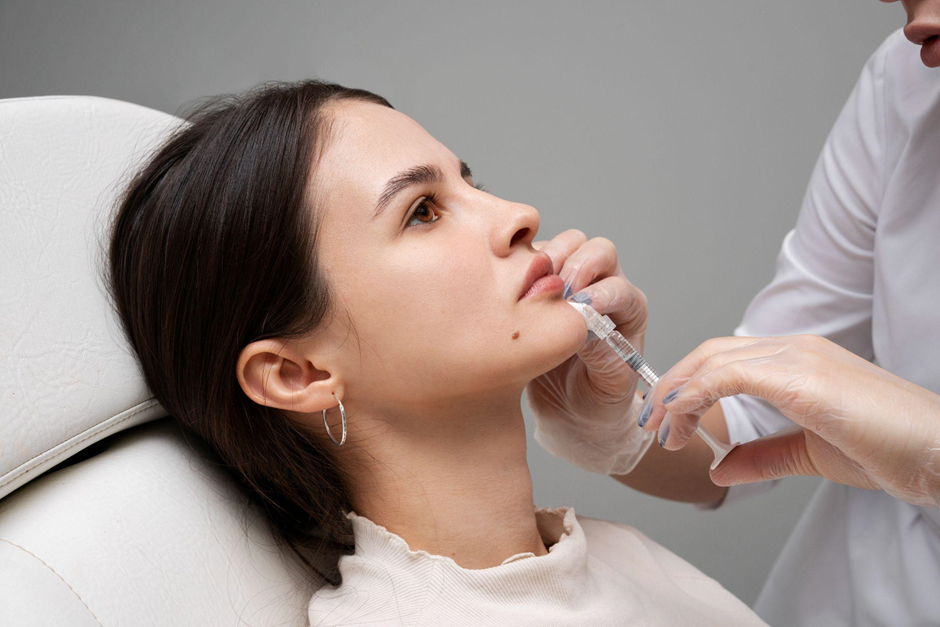
Nasolabial fold fillers are dermal fillers specifically designed to reduce the appearance of nasolabial folds, which are the lines extending from the sides of the nose to the corners of the mouth. These folds can become prominent due to aging, skin elasticity loss, and other factors. Understanding the procedure of nasolabial fold filler and its implications is crucial for anyone considering this treatment.
Filler products typically contain hyaluronic acid, which helps to hydrate and plump the skin. The procedure aims to restore volume and smoothness, enhancing facial aesthetics. Patients should be aware of the different filler options and their respective properties to make an informed choice.
List of contents
H2 : What Are Nasolabial Fold Fillers?
H2 : Nasolabial Fold Filler Treatment
H2 : Benefits of Using Filler for Nasolabial Folds
H2 : Risks and Potential Side Effects of Nasolabial Fold Filler
H2 : Alternative Treatments to Soften Nasolabial Folds
H2 : Understanding the Causes of Nasolabial Folds
H2 : Key Takeaways for Patients Considering Nasolabial Fold Filler
H2 : Nasolabial Fold Filler for Your Facial Aesthetics Goal
Nasolabial Fold Filler Treatment
The treatment process for nasolabial fold fillers involves consultation, preparation, and actual injection. During the consultation, medical professionals assess facial structures and discuss suitable options. Generally, the procedure is quick, and suitable candidates include individuals looking to address moderate to severe nasolabial folds without significant health conditions.
Recovery Process
Just as preparation is important, proper aftercare is crucial for a great outcome. Following these tips will help your filler settle correctly and ensure your results last as long as possible. Immediately after treatment, avoid pressure and massage on the injection sites to prevent the filler from shifting.
To manage common side effects, you should apply a cold compress as instructed by your doctor if you experience any swelling or discomfort. It is normal to have some temporary swelling, redness, or minor bruising, which typically resolves within 7 to 14 days.
Furthermore, stay away from heat for the first couple of days: avoid saunas, steam rooms, and intense workouts, as they can increase swelling. Also, postpone other facial treatments like laser therapy for at least one month. Finally, stay hydrated by drinking 1.5 to 2 liters of water daily; this is essential for helping your body integrate the filler and maintaining plump, healthy skin.
Benefits of Using Filler for Nasolabial Folds
Using fillers for nasolabial folds provides multiple benefits, including immediate results and minimal downtime. These treatments can enhance facial contours and provide a youthful appearance, contributing positively to self-esteem.
Moreover, fillers are a less invasive alternative compared to surgical procedures, making them increasingly popular for those seeking subtle improvements without significant changes. Regular maintenance treatments can prolong results, allowing individuals to maintain their desired appearance effectively.
Risks and Potential Side Effects of Nasolabial Fold Filler
Choosing to receive dermal fillers is a personal decision, and a key part of the process is fully understanding the potential risks. Although these procedures are considered safe, you should be prepared for several common, temporary side effects.
Immediately following the procedure, you may notice injection site reactions such as temporary needle marks or redness. The injection sites typically close up within 4–6 hours, and any redness usually fades within 1 to 3 days. It’s also common to experience swelling, soreness, and a feeling of tightness in the treated area. These minor side effects generally resolve within 5 to 7 days. Finally, bruising is often the most visible side effect and may take longer to disappear, typically resolving completely within 1 to 2 weeks.
Alternative Treatments to Soften Nasolabial Folds

Alternative treatments for nasolabial folds include methods such as laser therapy, micro-needling, and radiofrequency treatments. These techniques aim to stimulate collagen production and enhance skin elasticity, resulting in a more youthful appearance. Unlike dermal fillers, which provide immediate volume, these treatments may require multiple sessions and a longer recovery period.
The advantages of alternative treatments include their ability to improve overall skin texture and promote long-term skin health. However, they may not be suitable for everyone. Potential downsides include varying degrees of effectiveness and the possibility of temporary side effects, such as redness or swelling. Understanding the pros and cons of these alternative treatments compared to fillers is essential for individuals seeking to soften nasolabial folds.
Understanding the Causes of Nasolabial Folds
The formation of nasolabial folds is influenced by several factors, including aging, genetic predisposition, and lifestyle choices. As individuals age, skin loses collagen and elastin, leading to reduced firmness and elasticity. This natural aging process contributes significantly to the development of nasolabial folds.
Environmental factors such as sun exposure, smoking, and poor nutrition can exacerbate these folds. For instance, excessive sun damage can accelerate aging signs in the skin, while a diet lacking essential nutrients can impair skin health. Understanding these causes can aid in developing personalized strategies for prevention and treatment of nasolabial folds.
Key Takeaways for Patients Considering Nasolabial Fold Filler
For patients contemplating nasolabial fold fillers, several critical factors should be considered. Firstly, it is essential to select a qualified doctor who can provide personalized advice based on individual skin type and aesthetic goals. Next, patients should be informed about the different types of fillers available, their effects, and any potential side effects.
Additionally, it is vital to manage expectations regarding the results. While filler treatments can enhance the appearance of nasolabial folds, they may not entirely eliminate them. Open communication with a specialist is crucial for making an informed decision about facial aesthetics. This way, patients can choose the most suitable option for their needs and maintain a natural appearance.
Nasolabial Fold Filler for Your Facial Aesthetics Goal
Nasolabial fold fillers offer an effective solution for reducing these age-related lines, using hyaluronic acid-based dermal fillers to restore volume and smoothness. The procedure is swift with minimal downtime, providing immediate results and a youthful appearance, enhancing self-esteem.
While considering fillers, patients should consult qualified doctors and weigh the risks, such as bruising and swelling, against benefits. Understanding costs, alternative treatments like laser therapy, and factors like aging and sun exposure affecting nasolabial folds are crucial. Future advancements in fillers promise even more refined, personalized results. Staying informed through credible resources helps in making educated decisions, ensuring optimal outcomes and satisfaction.