How Digital Payments Are Changing Online Gambling
Last Updated on 21 October 2026
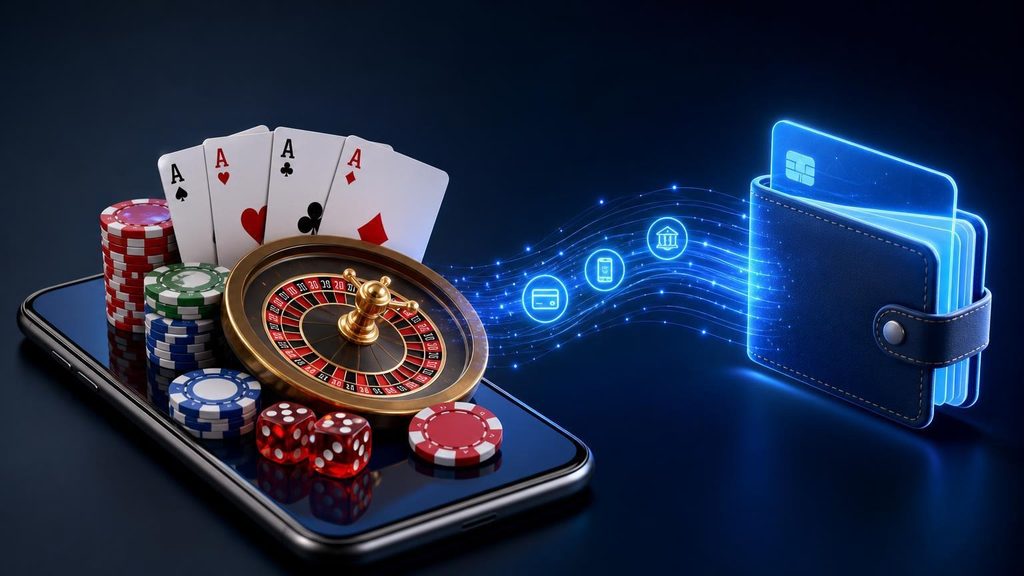
Online gambling runs on money movement. Every deposit, withdrawal, and bonus claim depends on a payment rail that works fast and reliably. Players no longer tolerate waiting days for a payout or jumping through hoops to fund an account. Platforms like WinSpirit Canada built their cashier around this expectation, offering instant deposits and quick withdrawals that keep the action moving. This shift toward digital payments reshaped the entire player experience, from how people claim bonuses to how quickly they collect winnings. Here is what changed and why it matters.
Key Facts
The numbers tell a clear story of rapid adoption and shifting player habits.
- Global digital wallet transaction value surpassed $13 trillion in 2024, according to Statista.
- Mobile payment users worldwide reached 1.6 billion in 2025, per Statista projections.
- Real-time payment transactions hit 266 billion globally in 2023, up 63% year over year, per ACI Worldwide.
- The share of online gamblers using e-wallets as their primary deposit method crossed 40% in 2025.
- Crypto casino deposits grew to roughly 15% of all online gambling transactions by early 2026.
- Average withdrawal times at digital-first casinos dropped below 10 minutes in 2025.
- Pay-by-bank transfers accounted for over 20% of new deposit sign-ups in Europe during 2026.
Speed Became the Product
Ten years ago, a withdrawal meant a three-to-five-day wait. Players accepted it because they had no alternative. Digital rails killed that patience. Instant bank transfers, e-wallets, and crypto now settle in minutes. Casinos compete on payout speed the way banks once competed on interest rates. A slow cashier drives players away faster than a bad game selection. Fast payouts also build trust. Players who see money hit their account in minutes return more often and deposit larger amounts. Operators know this, which is why they now advertise withdrawal times as a headline feature.
Bonuses Follow the Payment Rail
Payment methods now shape promotional design. A player who deposits through an e-wallet expects instant credit, and platforms deliver. Deposit-triggered bonuses activate the moment funds clear, which keeps momentum alive. Many sites tie specific bonuses to specific payment types, offering extra value for crypto deposits or bank transfers. The same logic applies to free spins and loyalty rewards, which land in accounts automatically once a qualifying transaction confirms. This tight coupling between payment and reward removes friction and makes the whole experience feel seamless.
Trust Moves With the Transaction
Digital payments carry data. Every transaction leaves a trail that helps operators verify identity, prevent fraud, and settle disputes faster. Players benefit too. Chargeback protection, encrypted transfers, and biometric confirmation make funding an account safer than handing cash to a teller. Public awareness of payment security grew alongside adoption. A BBC report on contactless payments noted how quickly consumers adapted once they trusted the technology. Online gambling followed the same curve. Once players trusted the rail, they stopped worrying about the method and focused on the game.
What Players Should Watch
Three practical points matter when choosing a cashier. First, check withdrawal limits against your typical deposit size, since generous deposit terms often hide tight payout caps. Second, confirm processing times in writing before you play, not after you win. Third, test with a small deposit and withdrawal before committing serious money. A platform that pays small amounts fast will almost always pay large amounts fast too. These checks take five minutes and save hours of frustration.
Final Thoughts
Digital payments turned the cashier from a back-office function into a core part of the gambling experience. Speed, trust, and reward now travel together through the same transaction. Players who understand this hold the advantage. They pick platforms that pay quickly, claim bonuses that match their payment habits, and avoid sites that hide withdrawal terms. The technology will keep improving, but the principle stays fixed: the payment rail decides how good the experience feels.