What to Look for When Viewing an Apartment and How to Evaluate It Properly
Last Updated on 7 October 2026
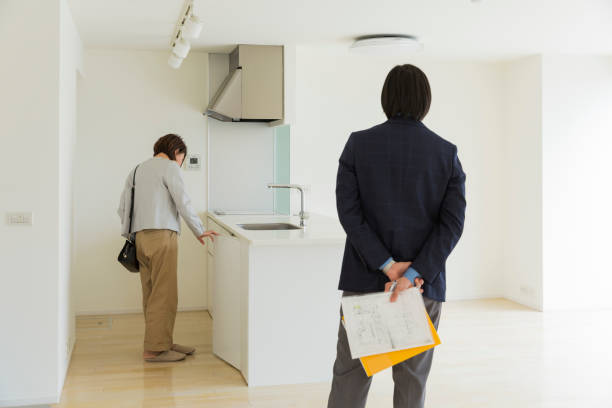
An apartment can look great in photos yet feel very different once you see it in person.
A viewing gives you a chance to check the condition of the unit, understand the building, and identify costs or practical issues that may affect daily life.
Instead of focusing only on appearance, evaluate the apartment as somewhere you may actually live. A structured check can help you compare several rental options without overlooking important details.
Check the Apartment’s Physical Condition
Start with the parts of the apartment that could affect comfort, safety, or future repair issues. A few minutes of careful observation can tell you much more than a quick walk from room to room.
Landlords are generally responsible for keeping rental properties in a condition that meets applicable health, safety, and housing standards. That makes the viewing a useful opportunity to spot anything that may need attention before you move in.
Look Beyond Fresh Paint
Fresh paint and clean floors can make a strong first impression, but check the condition underneath.
Pay attention to:
- Water stains on ceilings or around windows
- Cracks, damaged flooring, or loose tiles
- Signs of moisture around sinks and tubs
- Doors and windows that do not close properly
- Damaged cabinets, countertops, or fixtures
A small mark is not necessarily a reason to reject an apartment. What matters is whether existing damage is documented and whether anything affects normal use of the property.
Test What You Can
With permission, test taps, lights, windows, appliances, and electrical outlets that are easy to access. Run the water briefly to check pressure and drainage.
Also notice whether rooms receive enough natural light for your needs. If possible, visit at a time when you can get a realistic idea of lighting and noise rather than relying entirely on listing photos.
People comparing apartments for rent Langley should also think about how the unit fits their routine. A visually attractive apartment may be less practical if commuting, shopping, parking, or access to everyday services becomes inconvenient.
Evaluate the Building as Well as the Unit
Your experience will not stop at your front door. Hallways, shared spaces, parking arrangements, building access, and noise can all influence whether the apartment feels comfortable after moving in.
Spend a few minutes looking around before and after the viewing rather than concentrating only on the unit itself.
Check Shared Areas and Security
Look at entrances, stairways, elevators, mail areas, laundry rooms, bicycle storage, and parking spaces where relevant.
Consider practical questions:
- Is building access controlled?
- Is the entrance well maintained?
- Where are deliveries usually left?
- Is laundry available in the unit or elsewhere?
- Is storage included?
- Are parking spaces assigned?
Do not assume a facility shown during the viewing is included in your rent. Ask whether parking, storage, laundry, or other facilities involve separate charges.
Listen for Everyday Noise
Stand quietly for a moment in the bedroom and living area. Listen for traffic, nearby construction, elevators, heating equipment, neighbouring units, or activity from shared spaces.
Someone searching broadly for apartments for rent can make better comparisons by looking beyond monthly rent and considering what daily life in each building may actually be like.
Review Costs and Rental Terms Before Deciding
An apartment can fit your budget based on advertised rent but become more expensive once additional costs are included. Before agreeing to anything, ask for clear information about what the rent covers.
The written tenancy agreement should clearly identify important details such as the rental address, rent amount, tenancy start date, payment arrangements, and any agreed conditions.
Ask What Is Included
Confirm whether rent covers items such as:
- Heat
- Water
- Electricity
- Internet
- Parking
- Storage
Ask how utilities are handled when they are not included. Knowing this before signing makes it easier to compare the real monthly cost of different apartments.
If pets are allowed, check the written pet conditions as well. Ask whether a separate pet deposit is required and whether there are restrictions involving the number, size, or type of pets.
Document the Condition Before Moving In
The viewing is useful for deciding whether you want the apartment, but a formal condition inspection is equally important when the tenancy begins.
Walk through the unit carefully with the landlord or property manager and record the condition of rooms, fixtures, appliances, flooring, windows, and other relevant areas.
Take your own dated photos as an additional personal record, especially of existing marks, scratches, stains, or damage. Keeping clear documentation can help avoid confusion about the condition of the property later.
Conclusion
Evaluating an apartment properly means looking past style and asking whether the space works financially, physically, and practically. Check the unit carefully, examine the building, understand what is included in the rent, and read the tenancy terms before committing.
A thoughtful viewing may take a little longer, but it gives you much better information for comparing options and choosing a rental that suits your everyday needs.